DEUTSCH
Diese Arbeit setzt dort an, wo die Wahrnehmung selbst zur Konstruktion wird. *Apperception* meint nicht das bloße Empfangen eines Reizes, sondern jenen Vorgang, in dem das Wahrgenommene durch den Bodensatz vergangener Erfahrung assimiliert und verwandelt wird — die Gegenwart, gefaltet in alles, was ihr vorausging. Was wir „den Moment" nennen, ist nie der Moment allein. Er ist bereits ein Konstrukt.
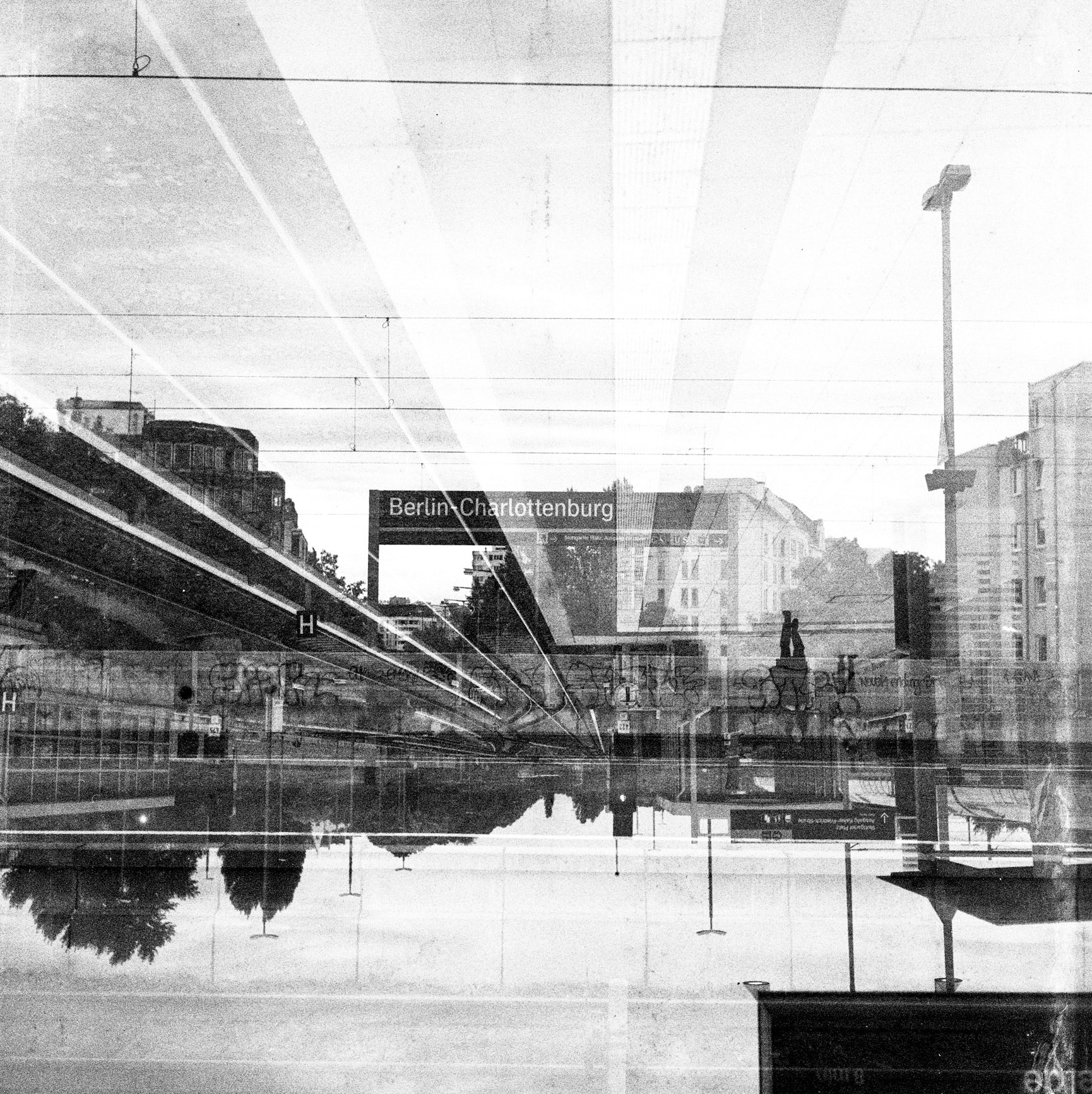
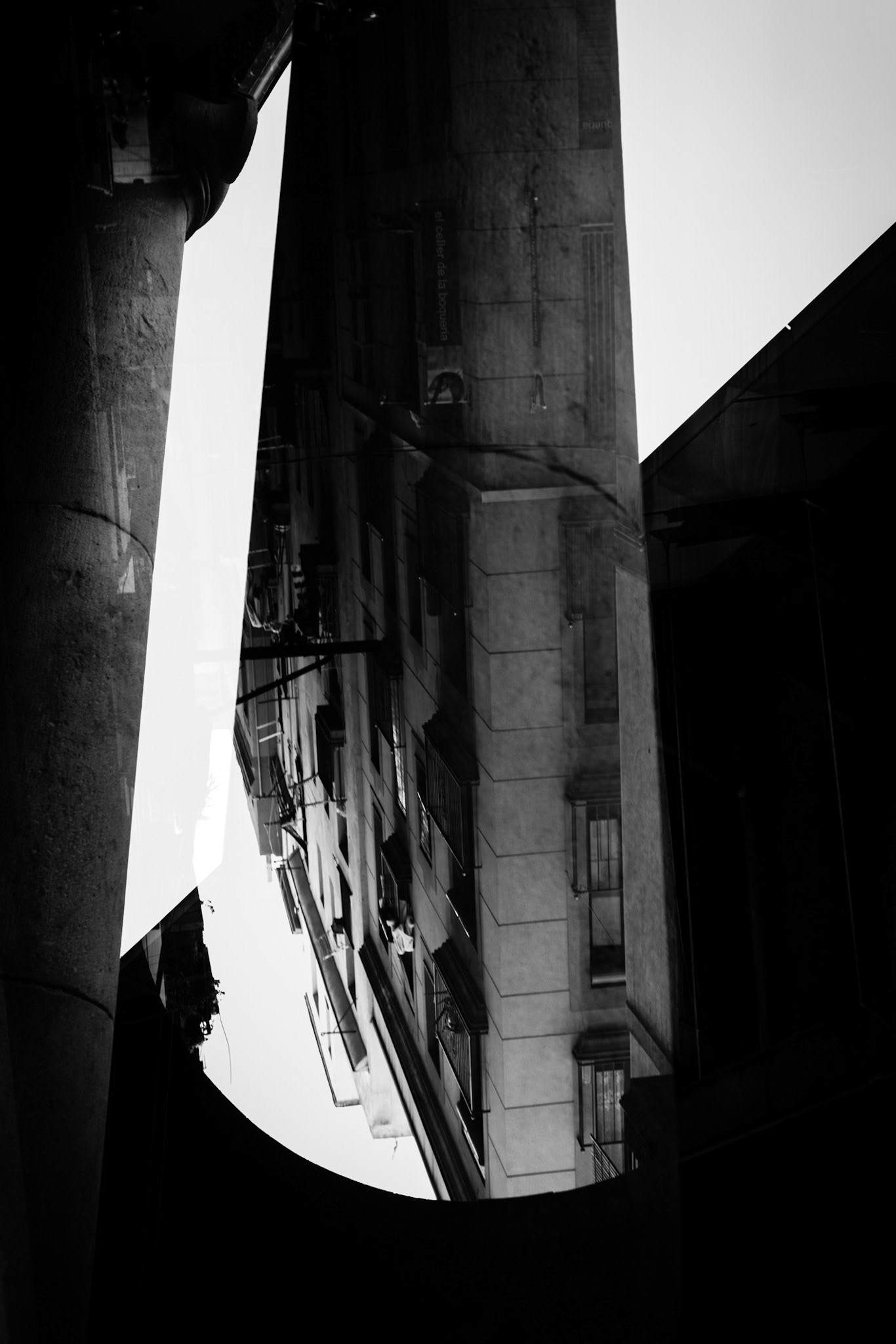
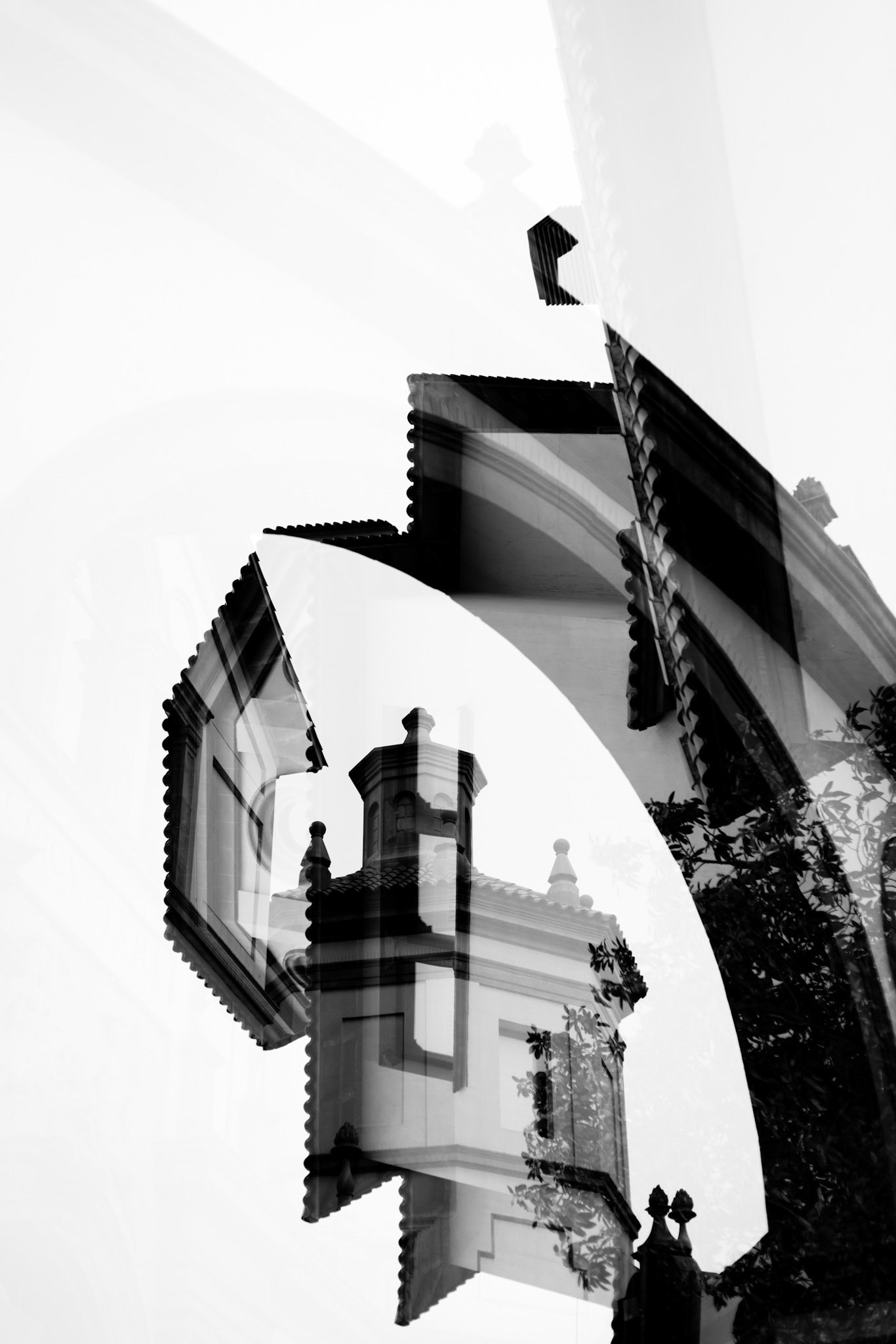
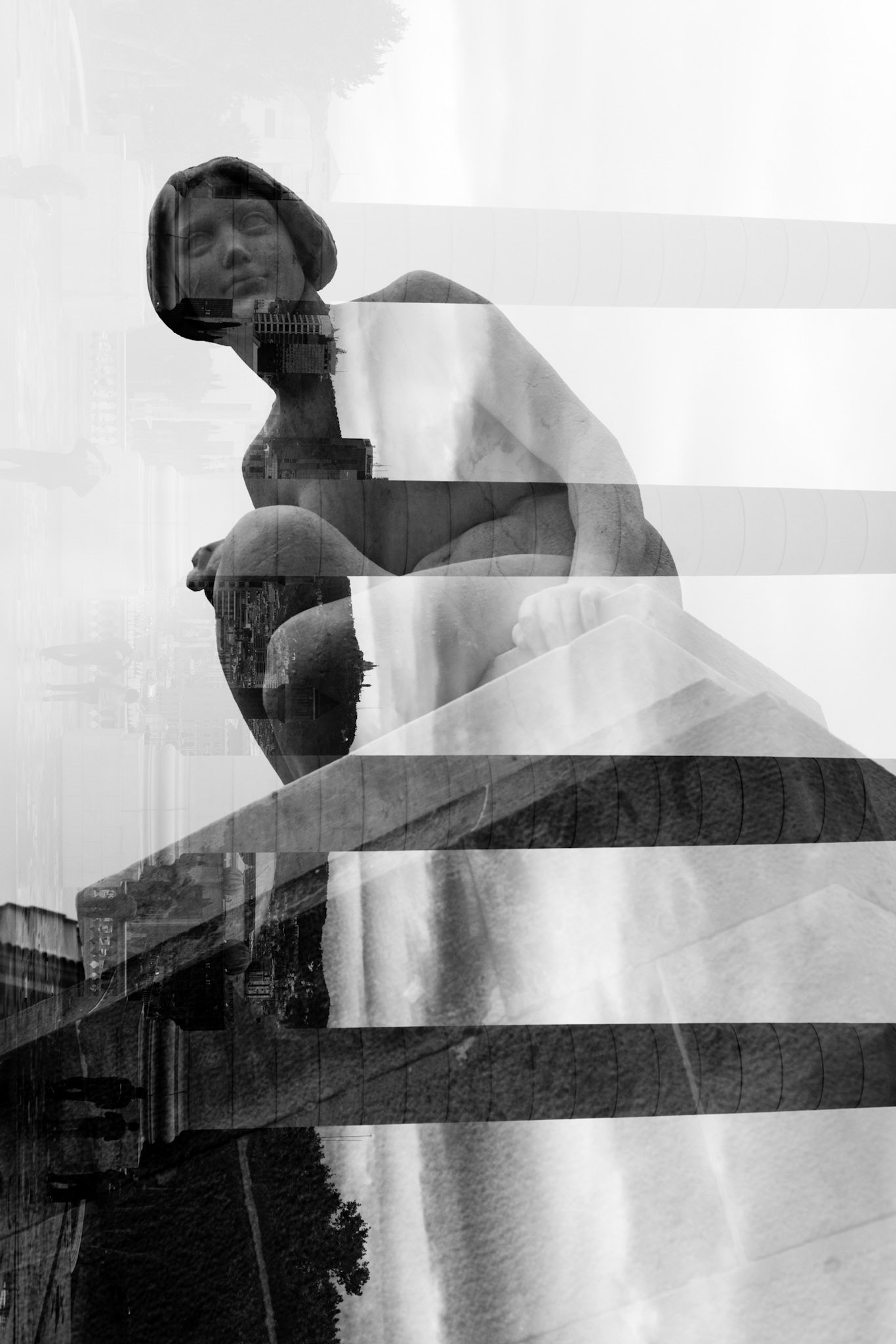
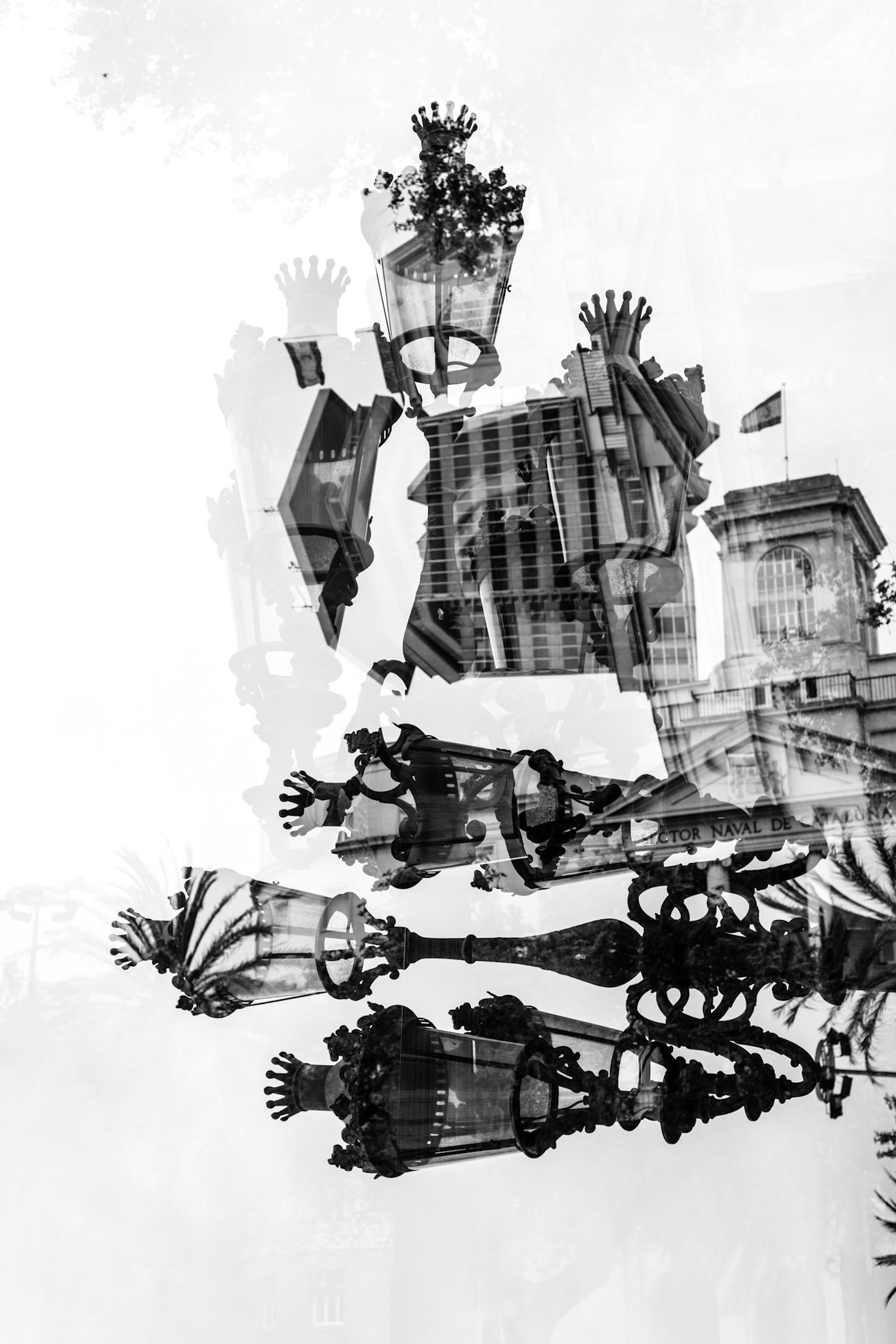
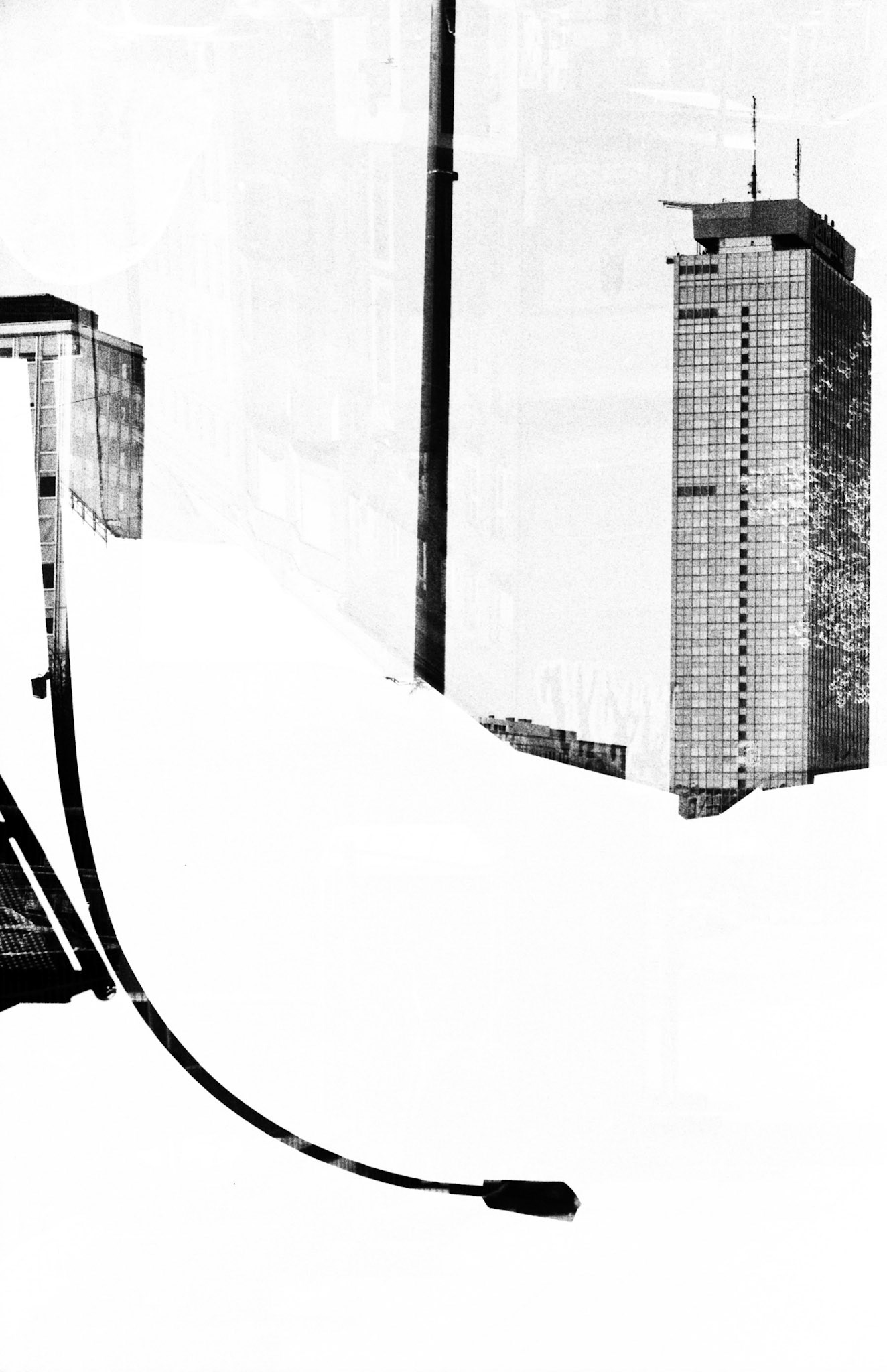
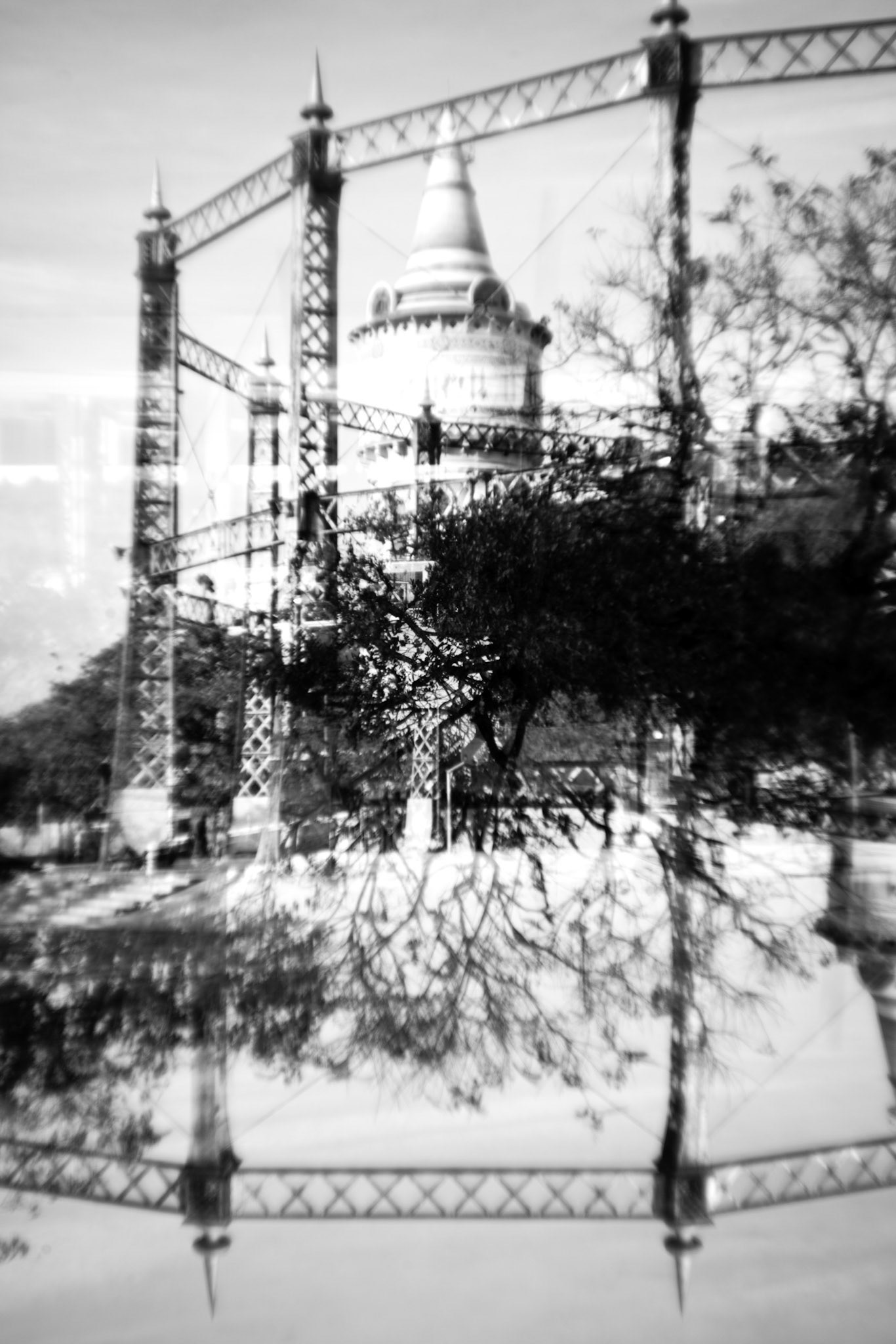
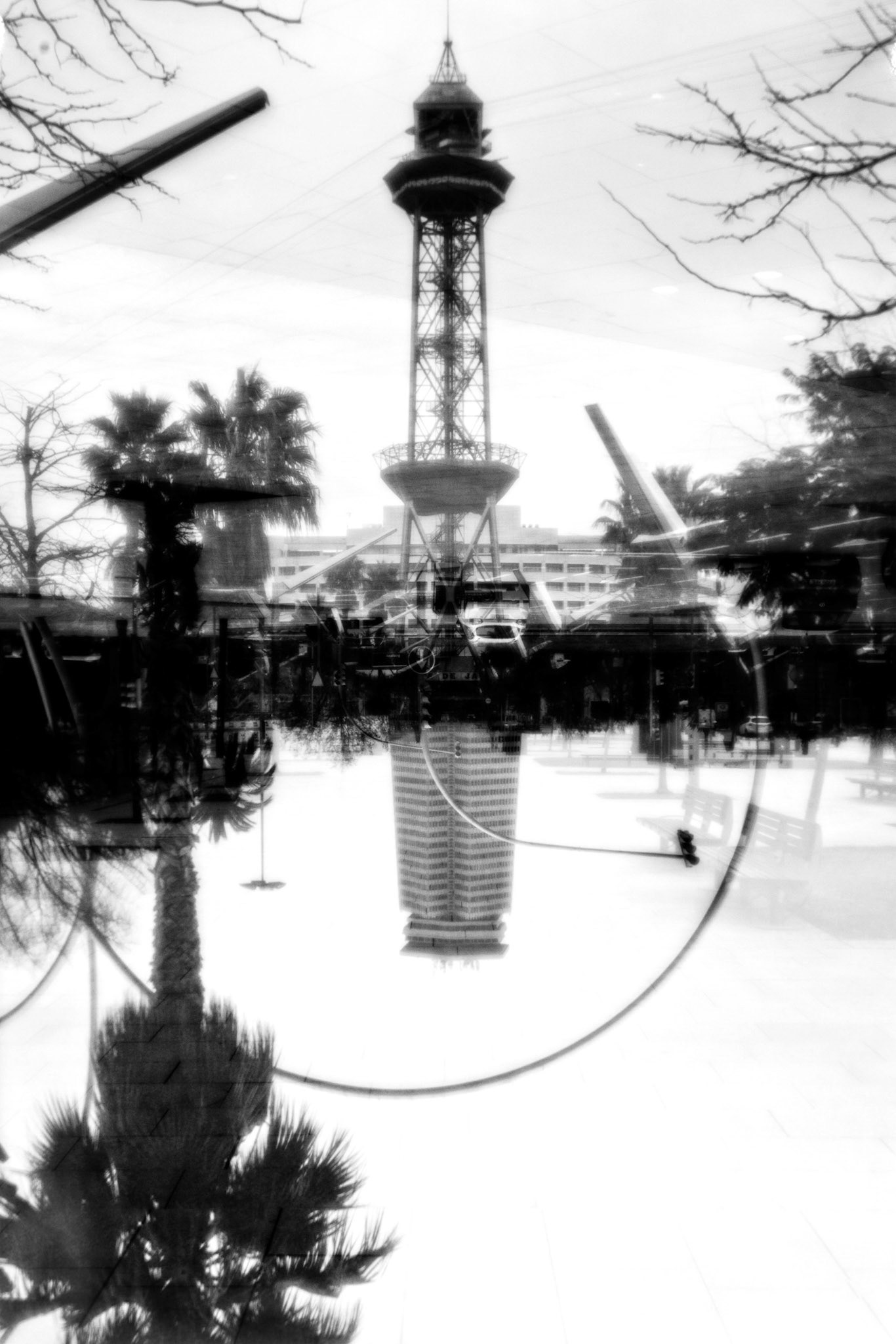
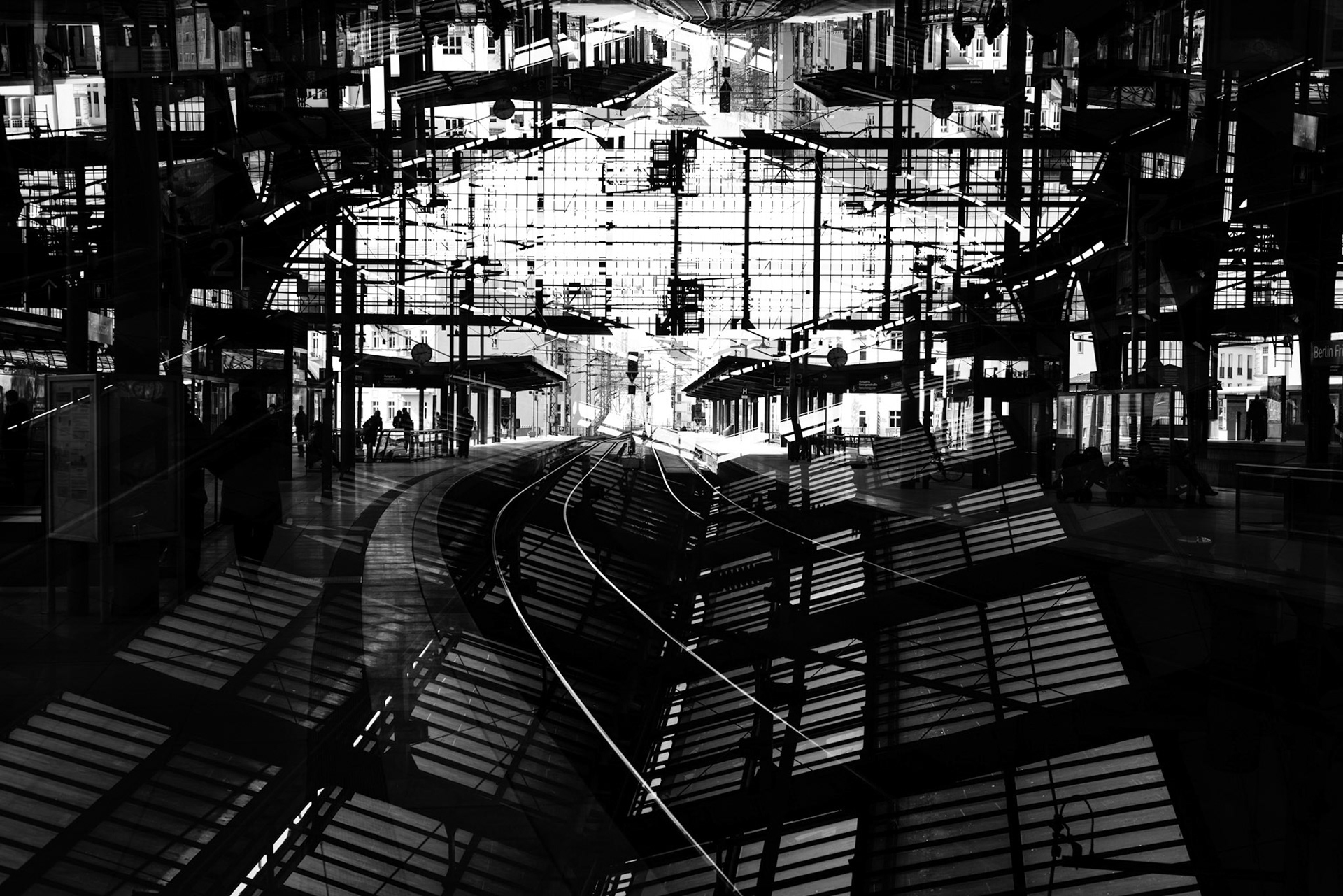
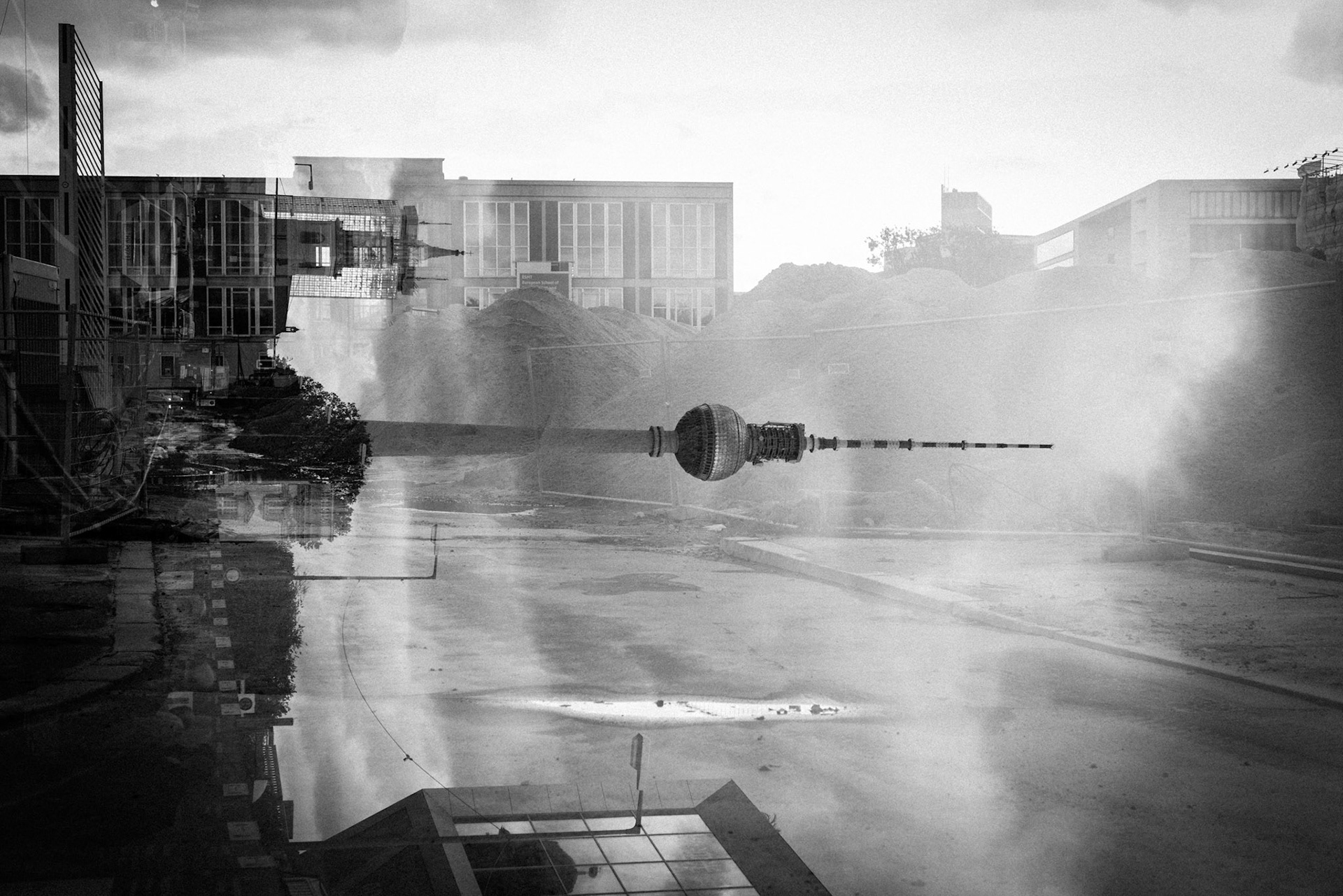
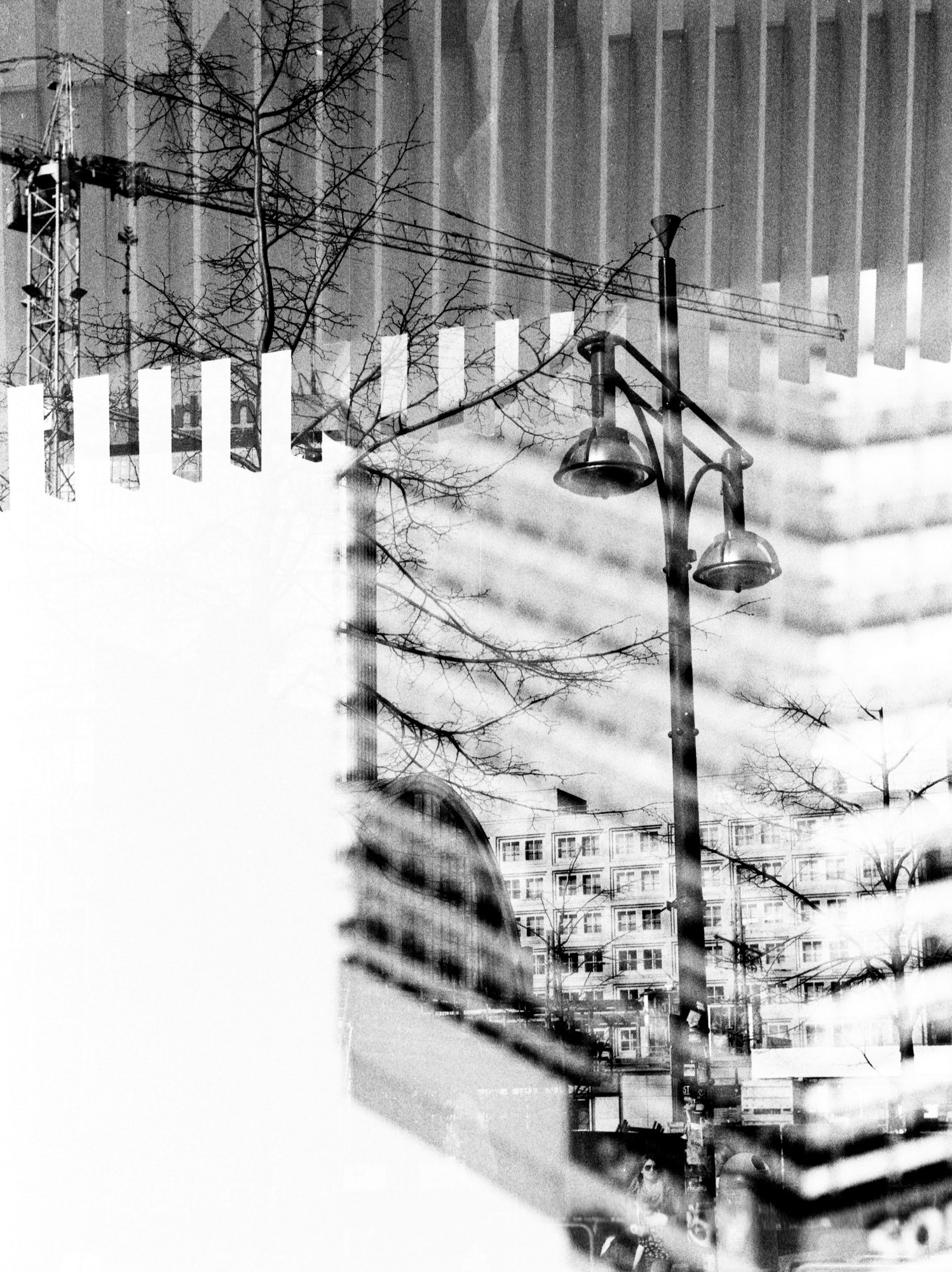
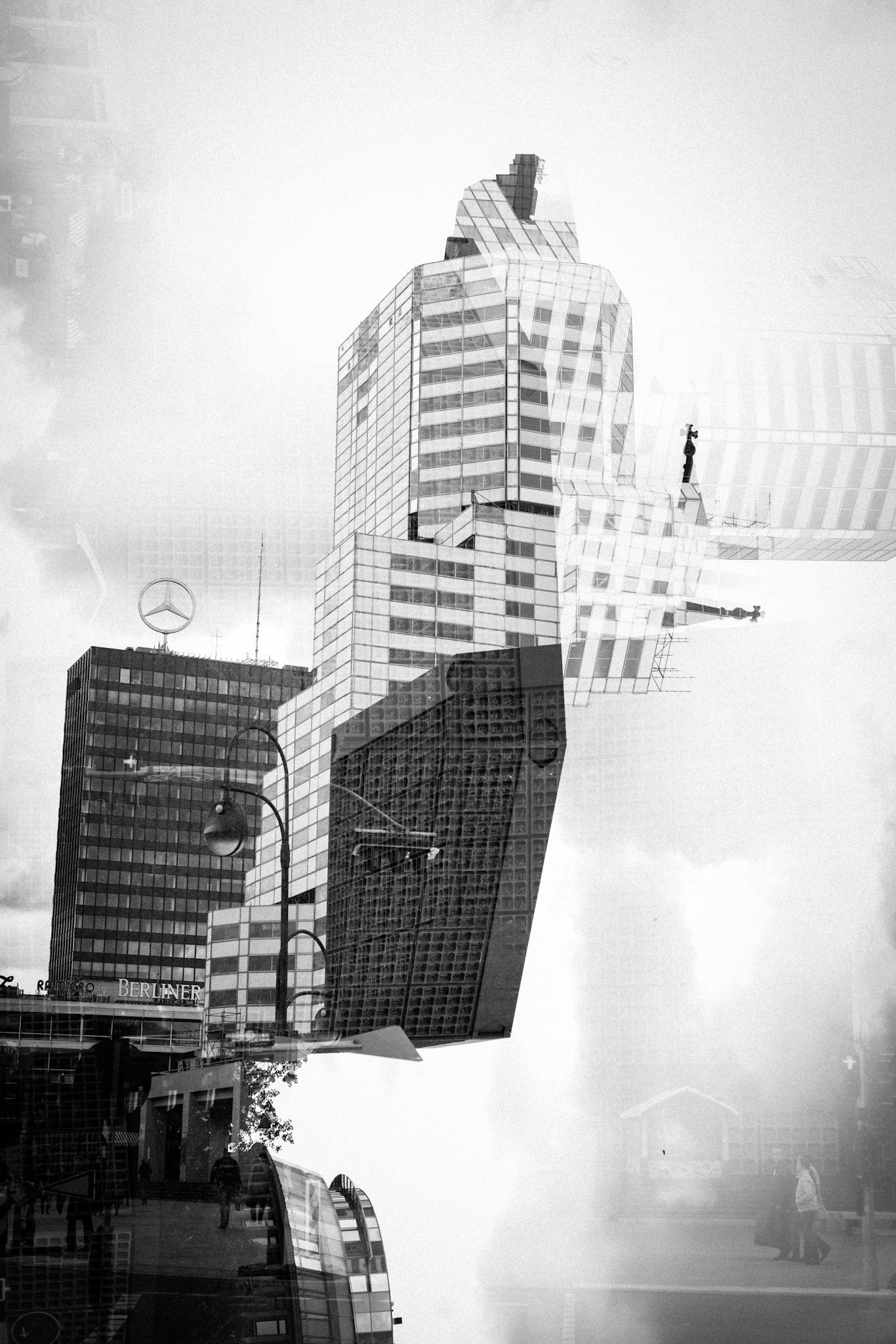
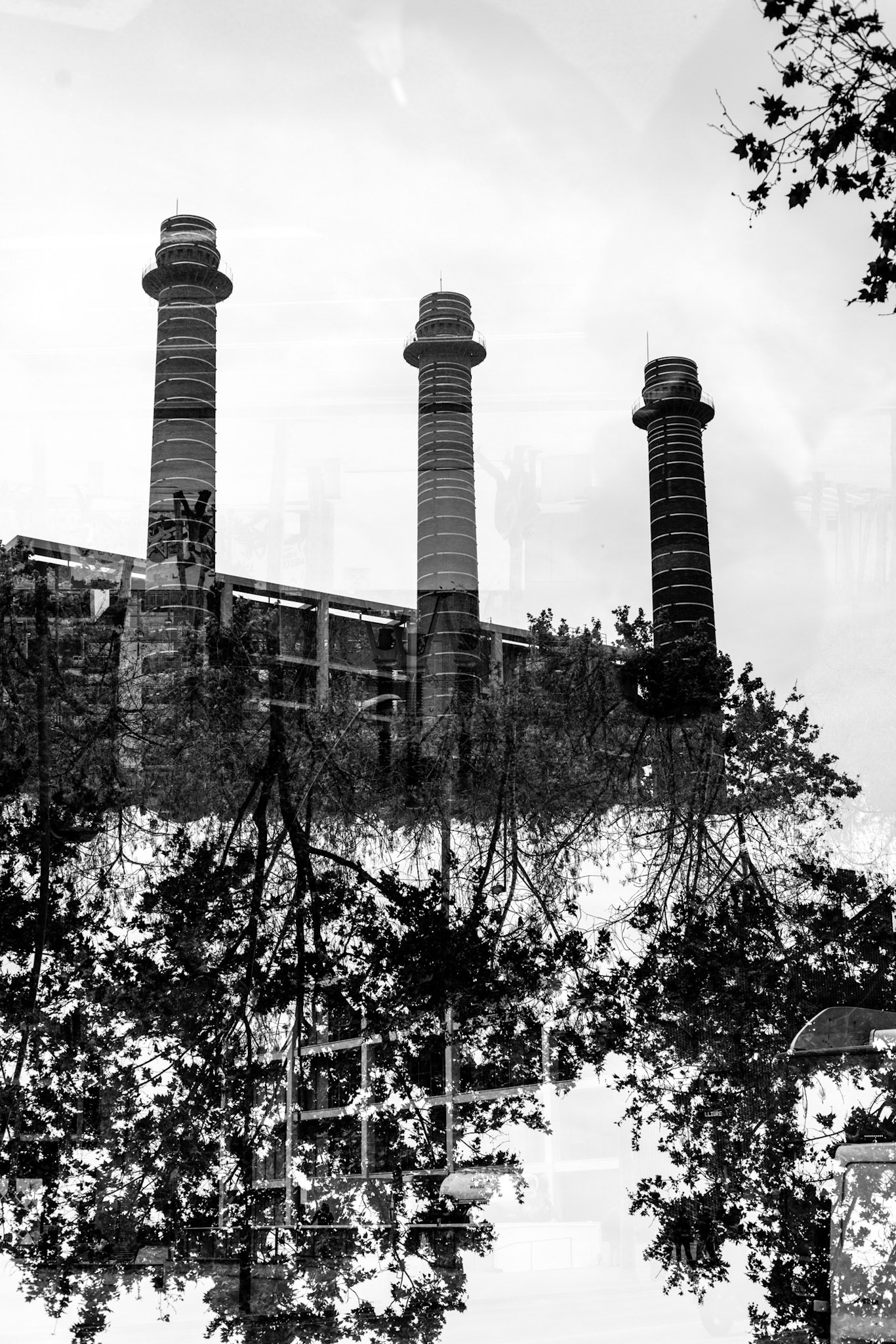
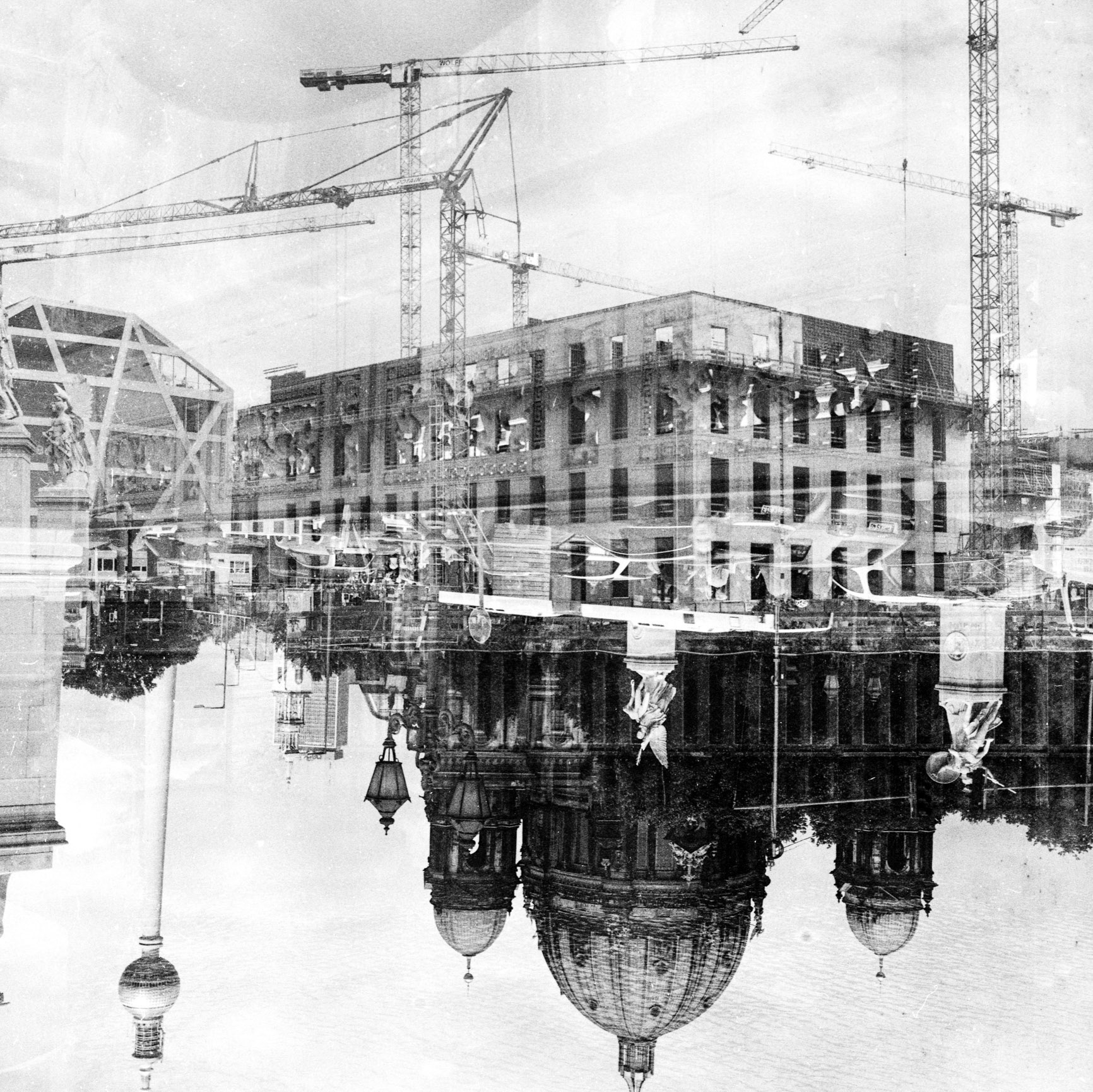
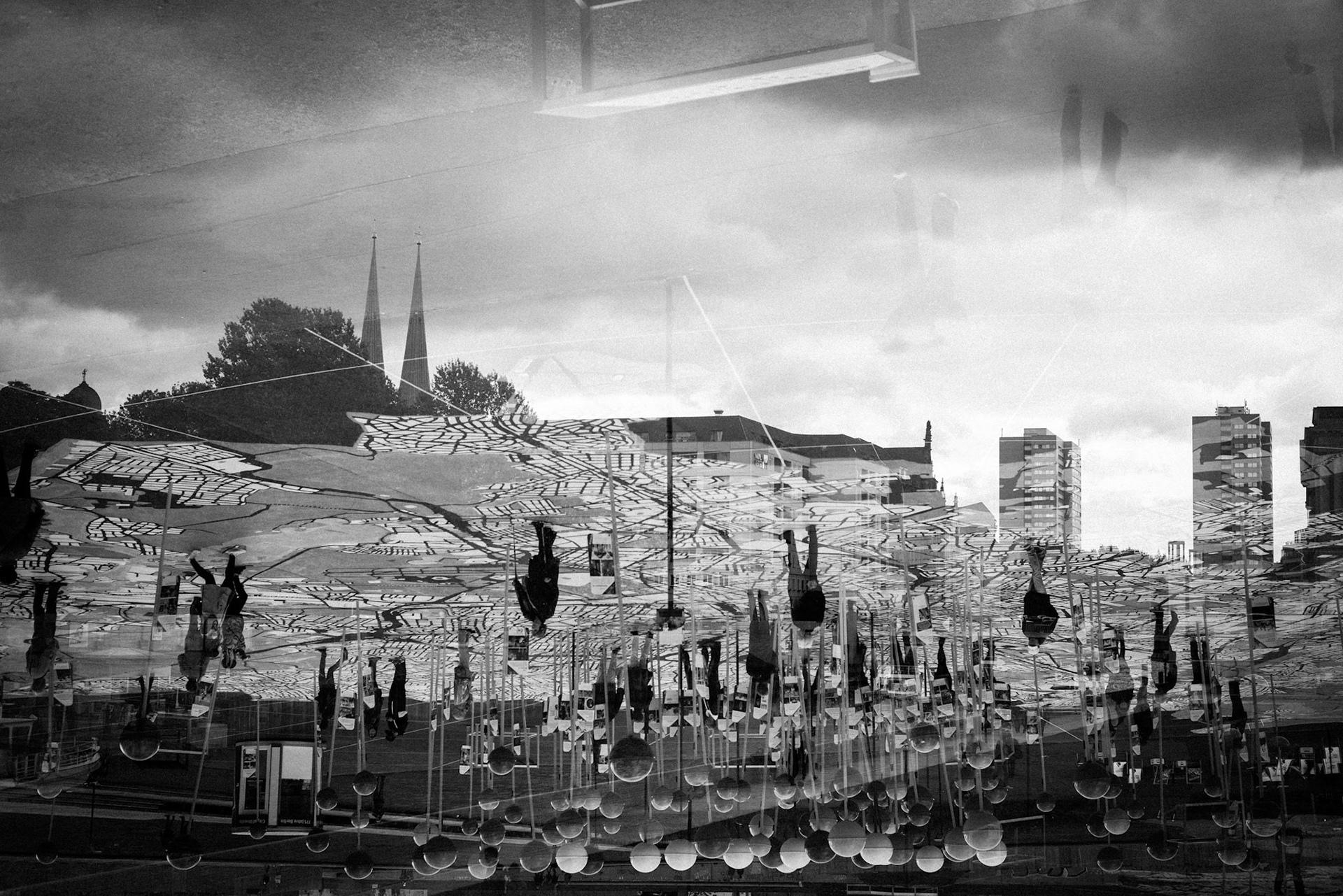
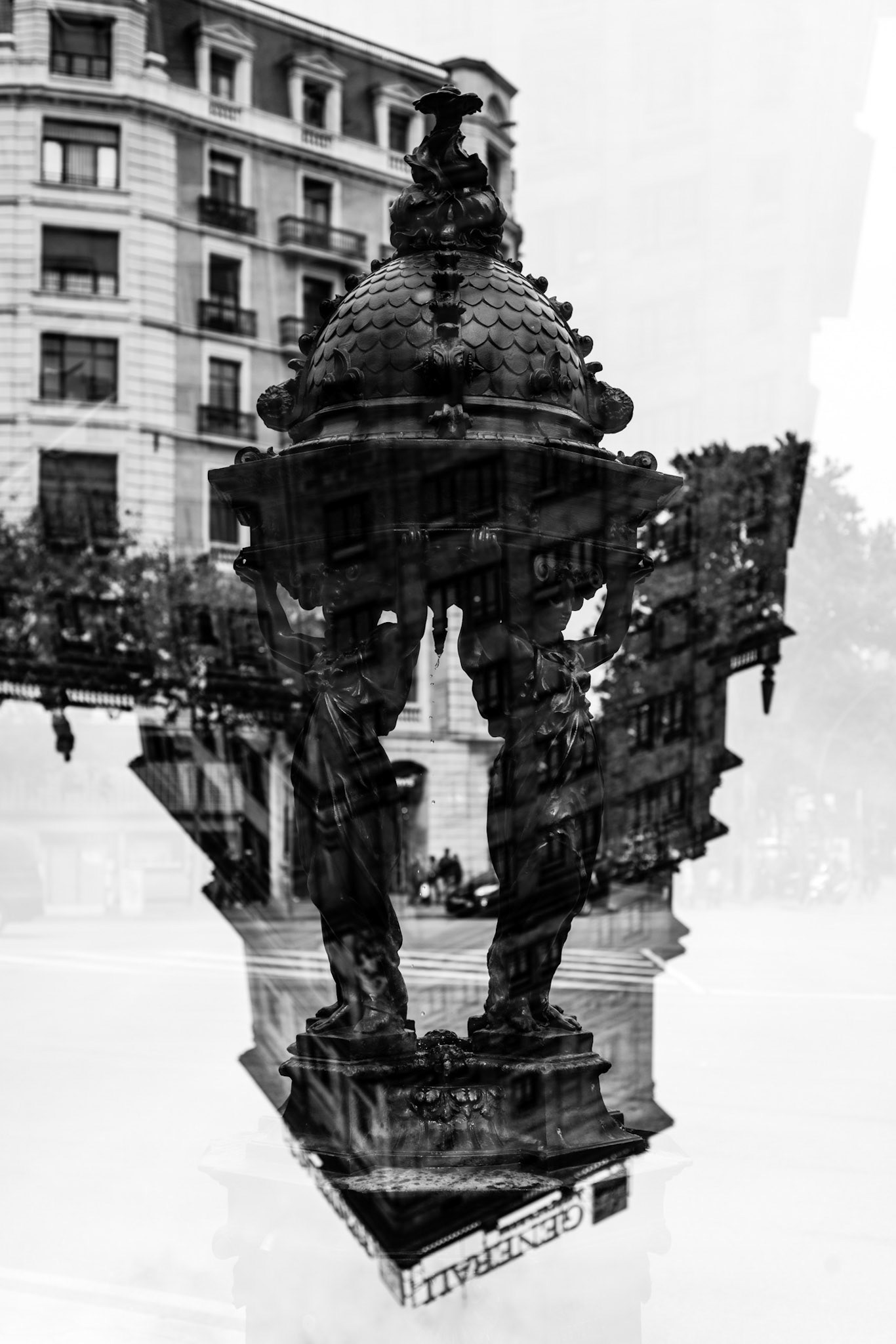
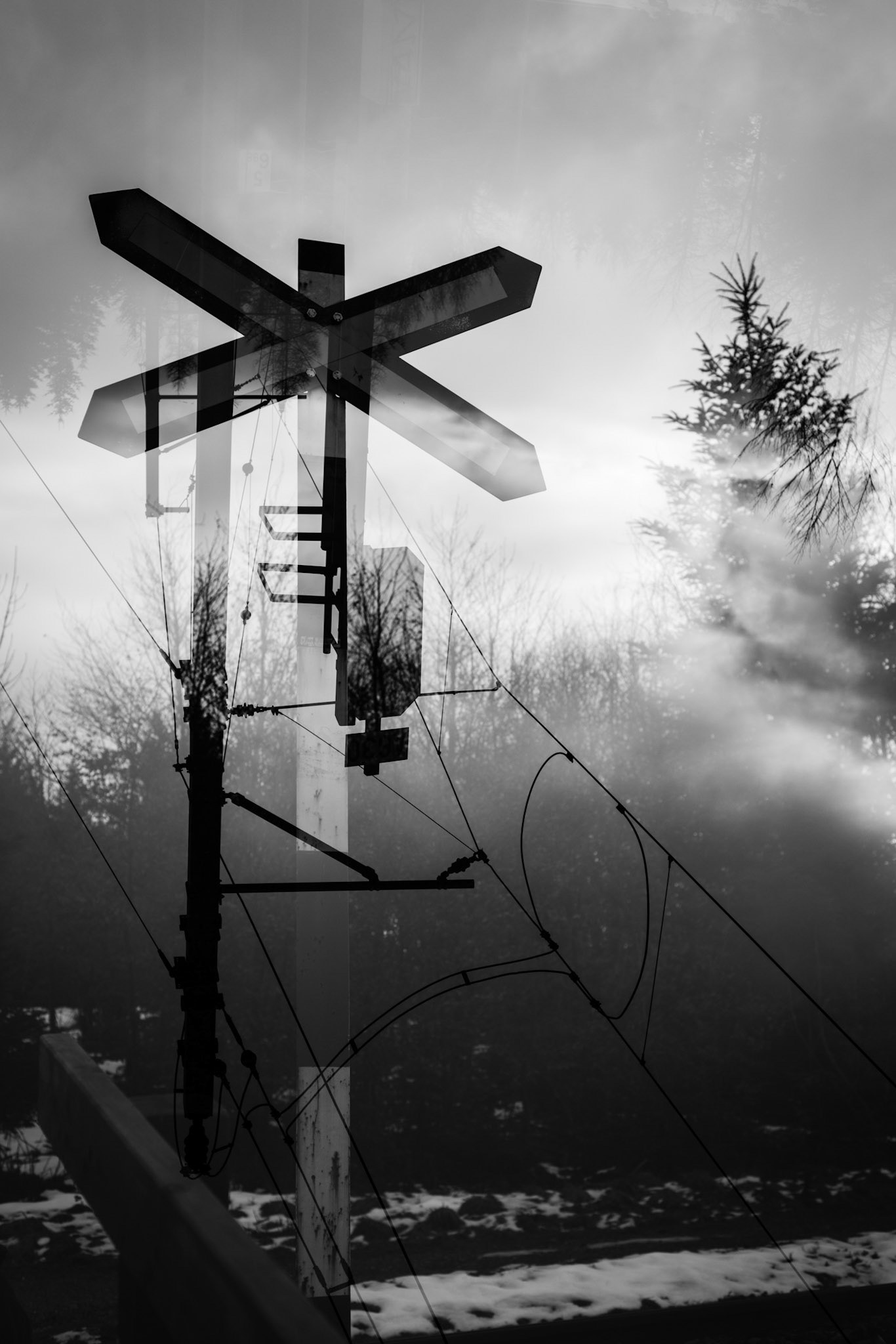
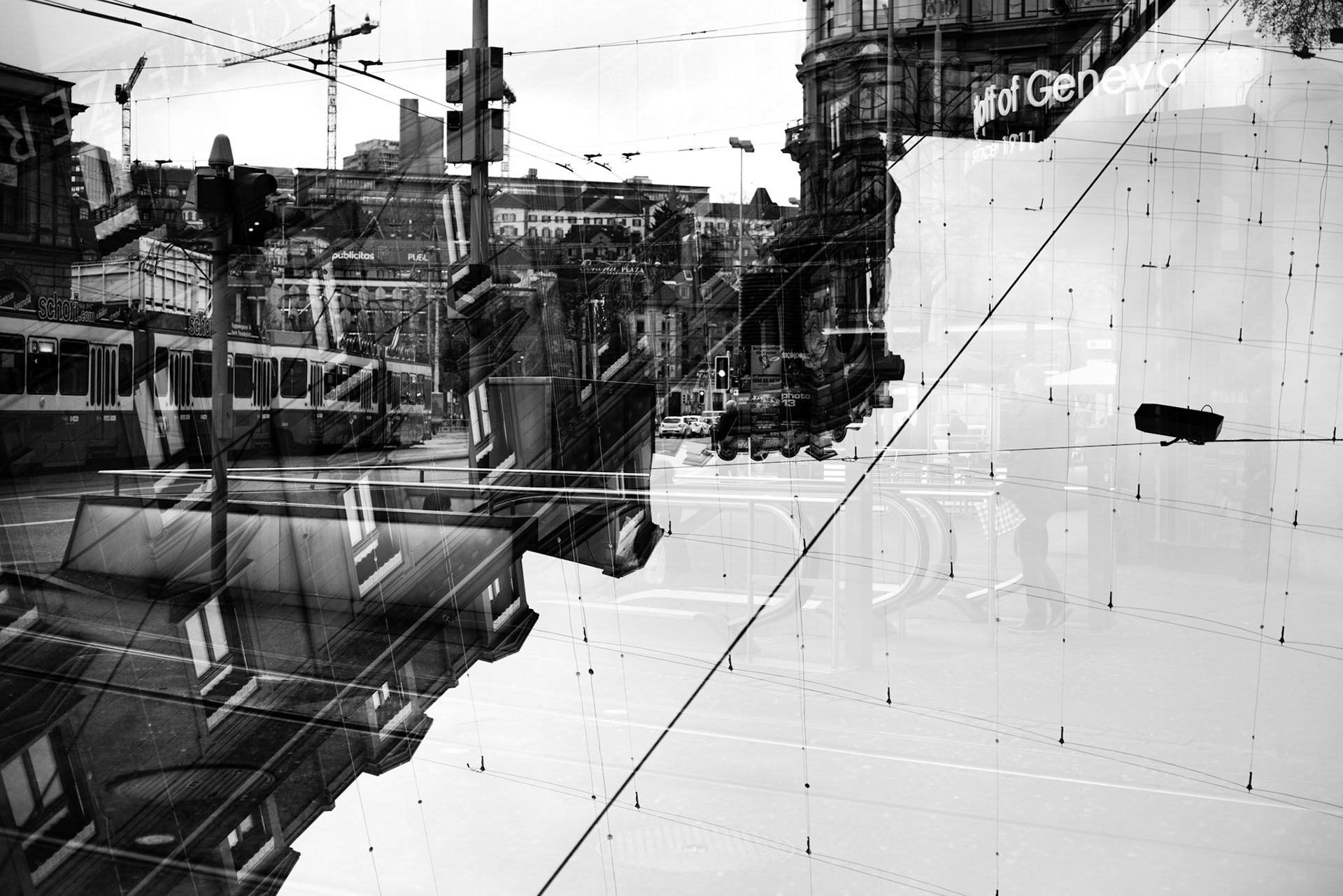
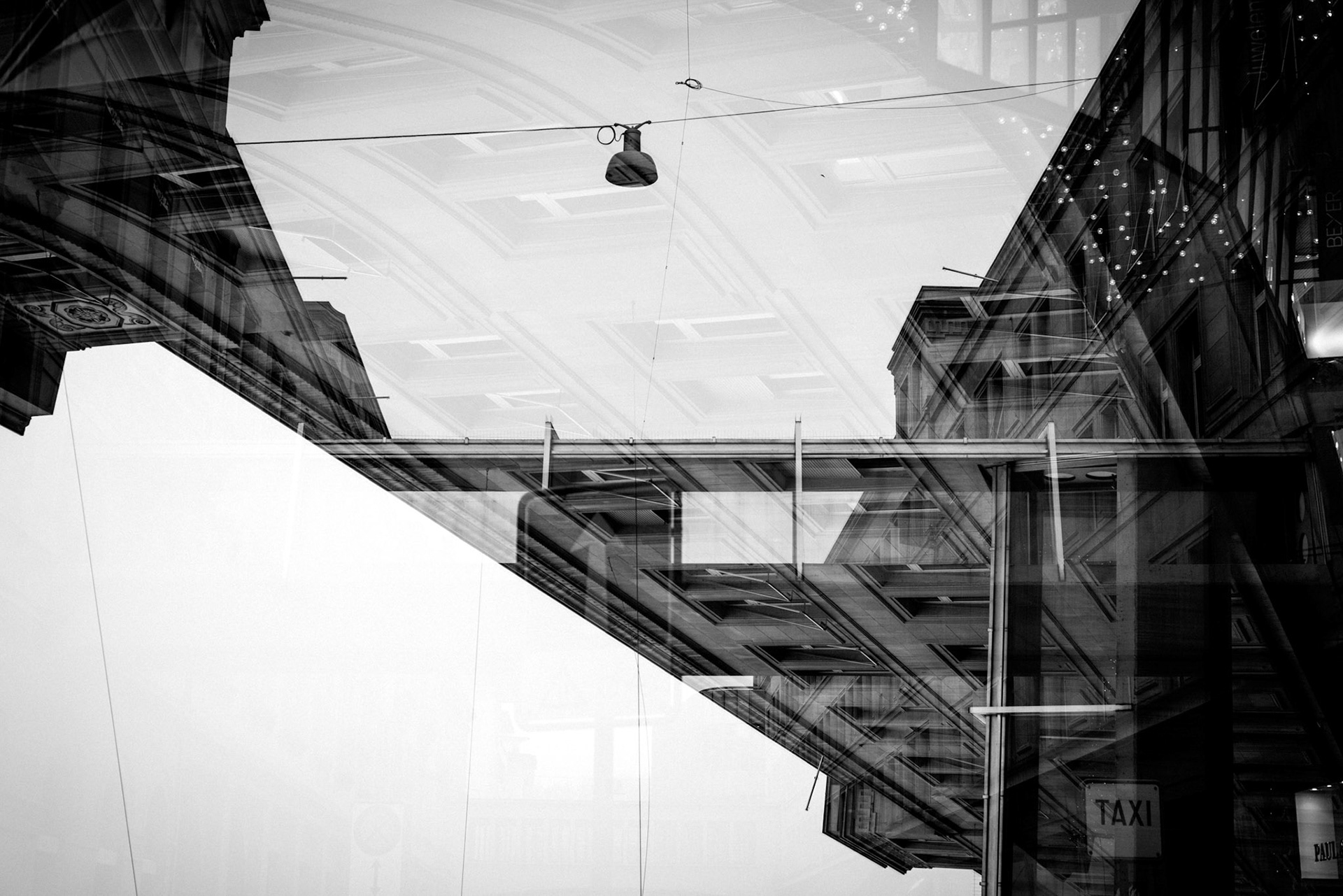
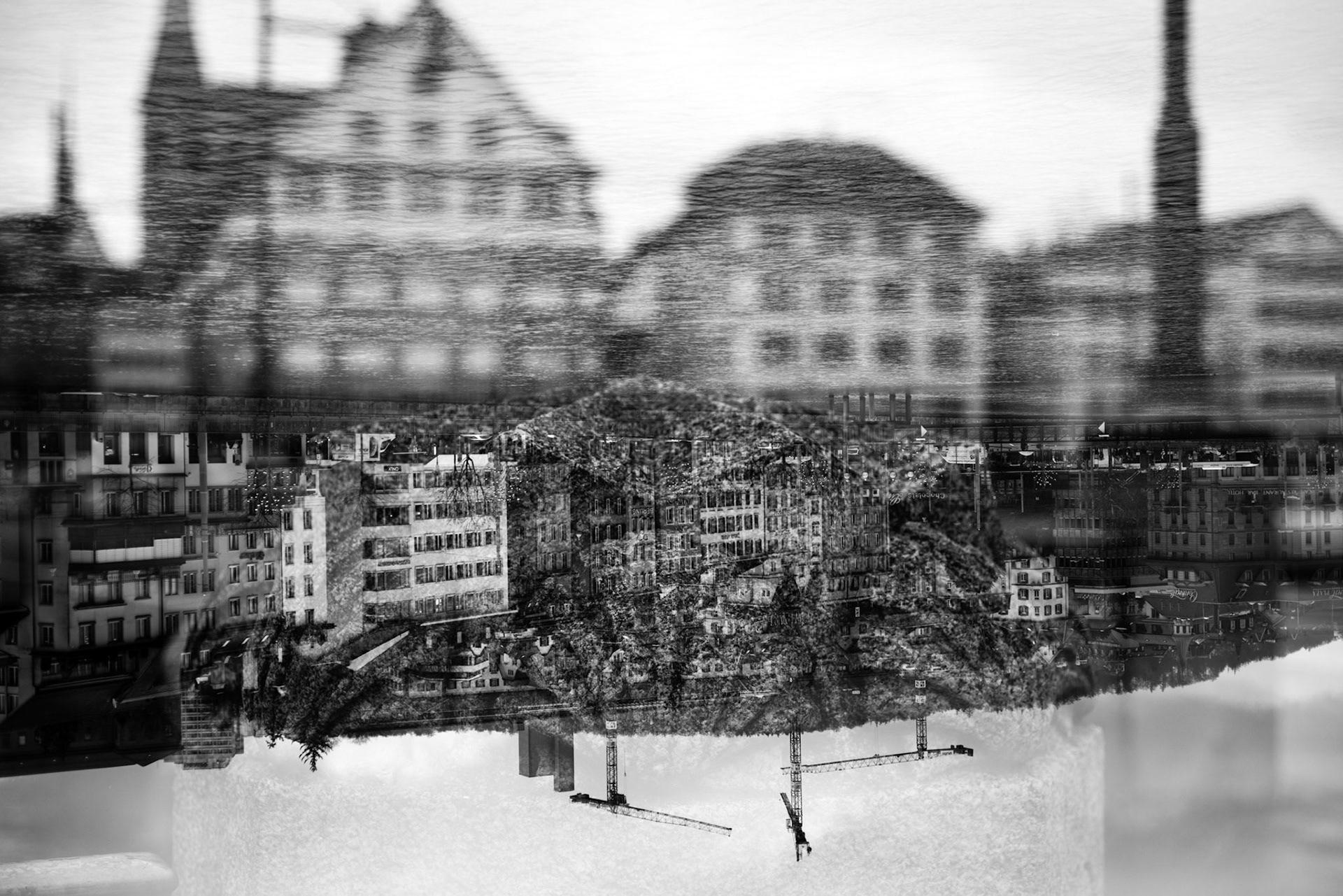
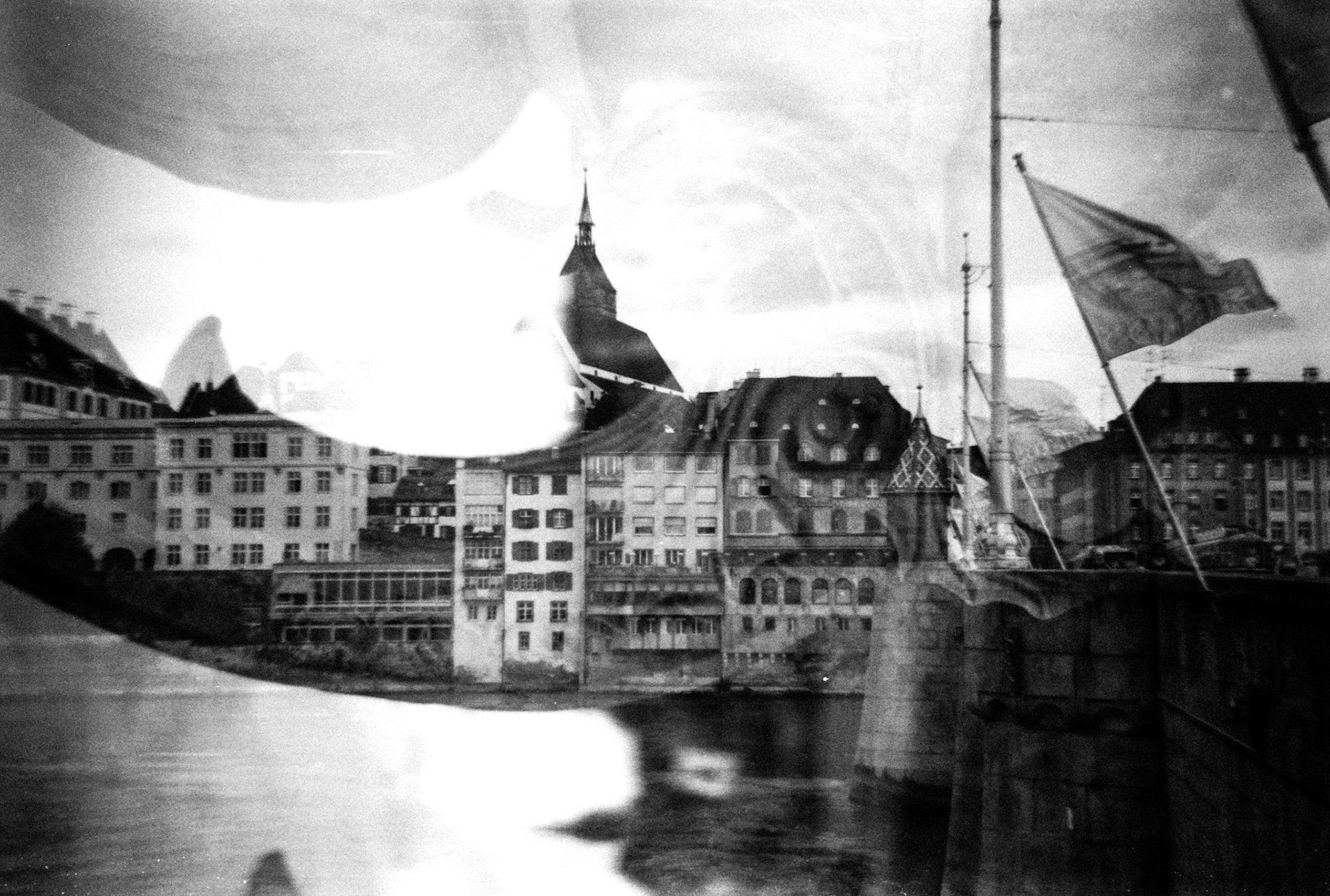
Die *constructed realities* machen diesen Vorgang am urbanen Raum sichtbar. Mittels Doppelbelichtung verschmelzen zwei Instanzen zu einer einzigen — eine Zeitreduktion, in der zwei Augenblicke aus verschiedenen Perspektiven in ein und denselben Bildkörper einrücken. Unsere Wahrnehmung des Moments ist biologisch einseitig; wir sehen stets nur einen Ausschnitt der gegenwärtigen Wirklichkeit. Die Konstruktion korrigiert diese Einseitigkeit nicht, sie überbietet sie: Sie schafft einen unwirklichen, konstruierten Augenblick, der mehr Realität enthält als jede einzelne Aufnahme, weil er das Nebeneinander zeigt, das die Wahrnehmung sonst zerteilt.
Deleuzisch gelesen ist dieser Augenblick eine Falte. Die beiden Belichtungen liegen nicht nebeneinander wie zwei Bilder, sondern ineinander wie zwei Zeiten — eine Synthese, in der das Vergangene und das Gegenwärtige nicht mehr zu trennen sind. Das Bild aktualisiert nicht einen Zustand, sondern hält das Virtuelle offen: jenen Zwischenraum, in dem die Stadt zugleich das ist, was sie war, und das, was die Wahrnehmung aus ihr macht. Die urbane Konstruktion wird zum Gefüge zweier Zeitschichten, deterritorialisiert aus dem einen, eindeutigen Jetzt.
Entscheidend ist die Arbeitsweise, und sie ist konstruktivistisch im strengen Sinn. Die Konstruktionen entstehen auf mehreren Wegen: durch Doppelbelichtung in der Kamera ebenso wie im Nachhinein — im analogen Labor und am Computer. Stets werden zwei Bilder übereinander belichtet beziehungsweise übereinandergelegt. Maßgebend ist dabei eine selbst auferlegte Grenze: Am Rechner wird ausschließlich das manipuliert, was sich ebenso im analogen Labor herstellen ließe. Der Computer ist hier keine Fabrikationsmaschine, sondern eine Dunkelkammer mit anderen Mitteln. Das ist keine technische Fußnote, sondern Haltung: Die Konstruktion bleibt material, sie liegt im Werkstoff und im Verfahren, nicht in der grenzenlosen Korrektur. Darin steht die Arbeit in der Linie Rodtschenkos — die Faktur des Bildes als sichtbare, ehrliche Konstruktion, nicht als versteckte Täuschung.
So kehrt sich der Vorwurf um, ein konstruiertes Bild sei ein unwahres. Die *constructed realities* behaupten das Gegenteil: Erst die Konstruktion bringt zur Erscheinung, was die einseitige Wahrnehmung verschweigt. Der unwirkliche Moment ist die wahrere Apperzeption.
ENGLISH
This work begins where perception itself becomes construction. Apperception does not mean the mere reception of a stimulus, but that process in which the perceived is assimilated and transformed by the residue of past experience — the present, folded into everything that preceded it. What we call "the moment" is never the moment alone. It is already a construct.
The constructed realities make this process visible in urban space. By means of double exposure, two instants merge into a single one — a reduction of time, in which two moments, seen from different perspectives, enter into one and the same image-body. Our perception of the moment is biologically one-sided; we always see only a section of present reality. The construction does not correct this one-sidedness, it surpasses it: it creates an unreal, constructed moment that holds more reality than any single exposure, because it shows the simultaneity that perception otherwise divides.
Read through Deleuze, this moment is a fold. The two exposures do not lie side by side like two images, but within one another like two times — a synthesis in which the past and the present can no longer be separated. The image does not actualise a state; it holds the virtual open: that in-between in which the city is at once what it was and what perception makes of it. The urban construction becomes an assemblage of two temporal strata, deterritorialised from the one, unambiguous Now.
Decisive here is the working method, and it is constructivist in the strict sense. The constructions arise by several routes: through double exposure in the camera as well as afterwards — in the analogue darkroom and at the computer. In each case two images are exposed over, or laid over, one another. Governing all of this is a self-imposed limit: at the computer, only that is manipulated which could equally be produced in the analogue darkroom. The computer here is not a fabrication machine, but a darkroom by other means. This is no technical footnote but a stance: the construction remains material, residing in the medium and in the process, not in limitless correction. In this the work stands in the lineage of Rodchenko — the faktura of the image as visible, honest construction, not as concealed deception.
Thus the reproach is reversed — that a constructed image is an untrue one. The constructed realities assert the opposite: only construction brings to appearance what one-sided perception withholds. The unreal moment is the truer apperception.