DEUTSCH
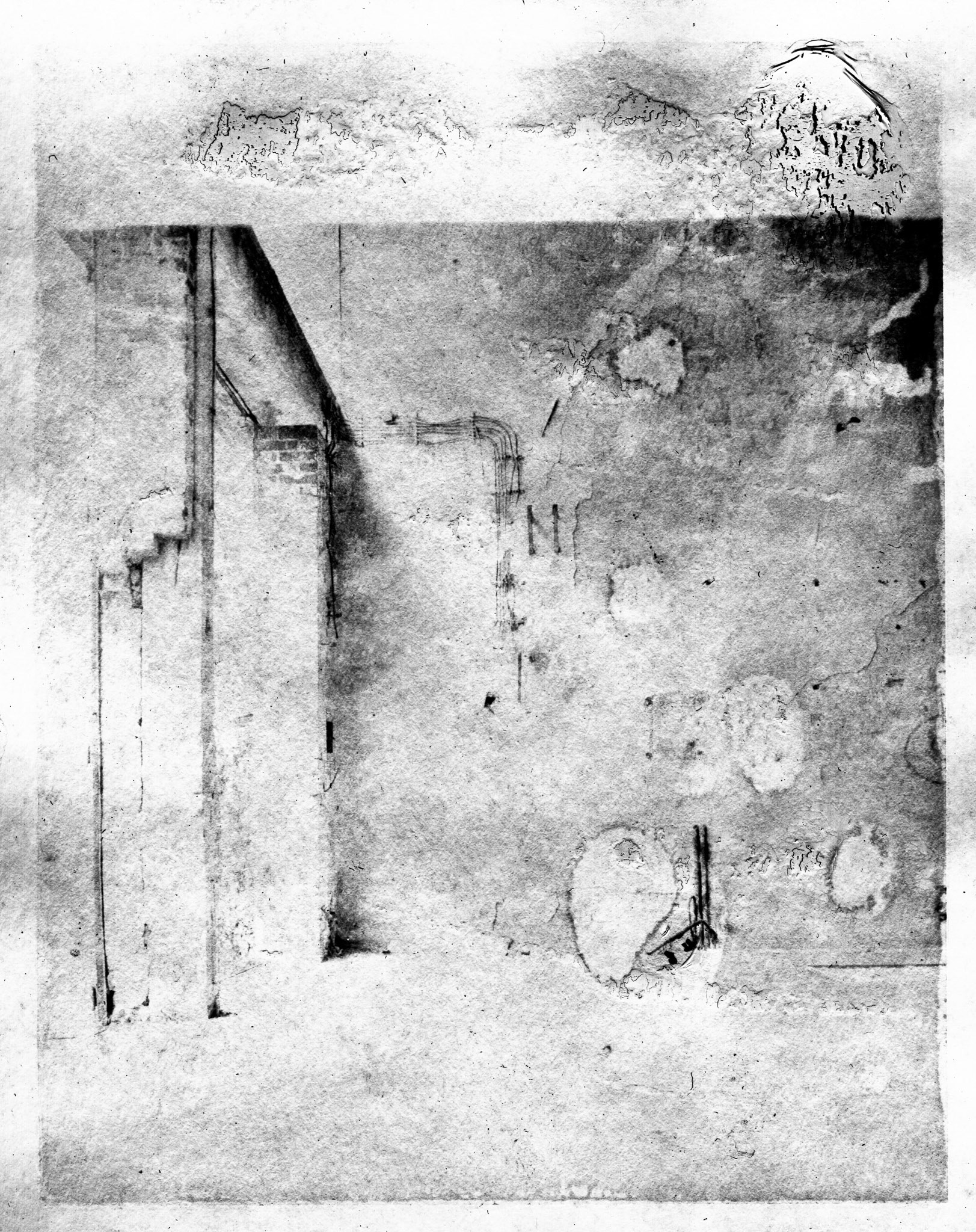
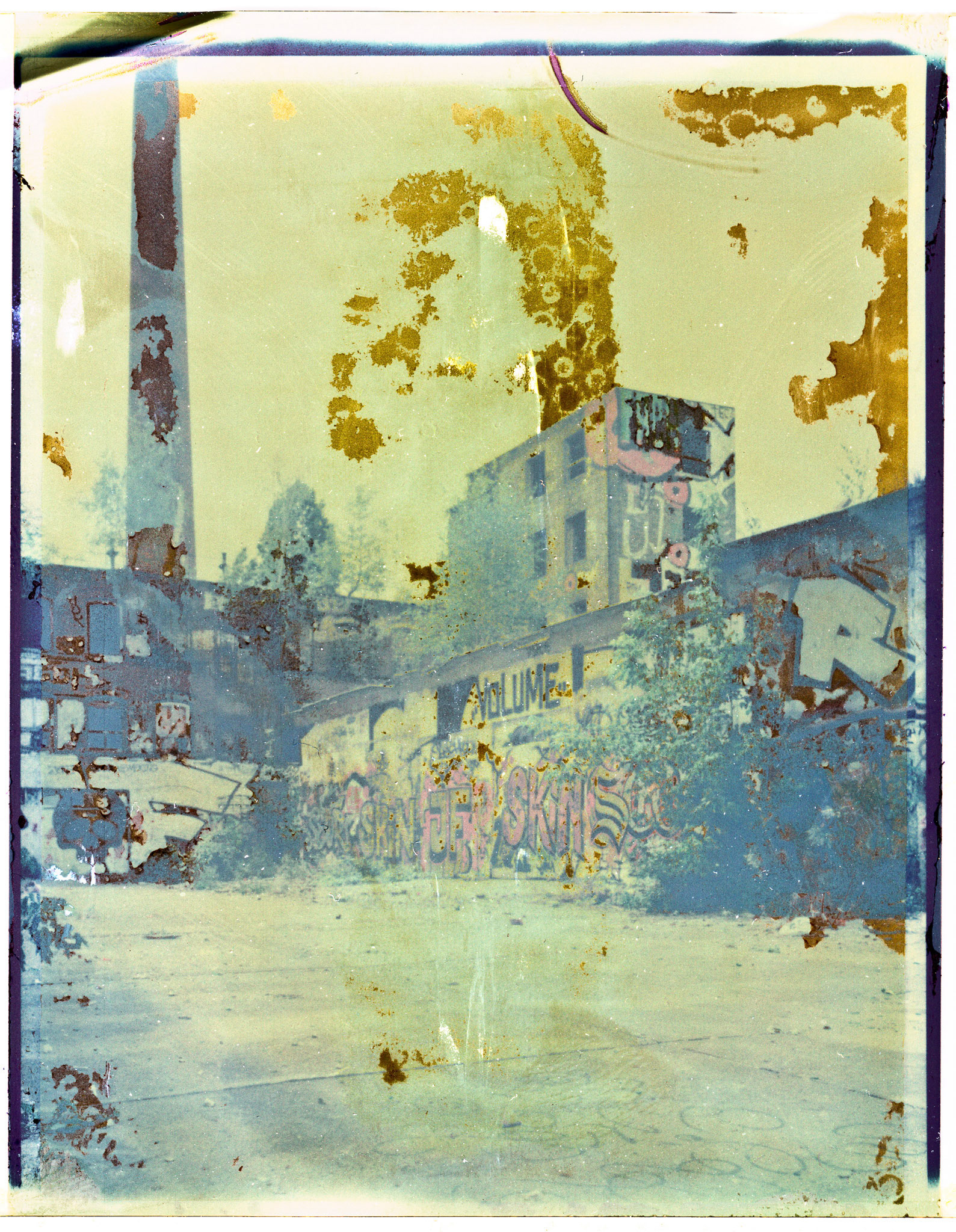
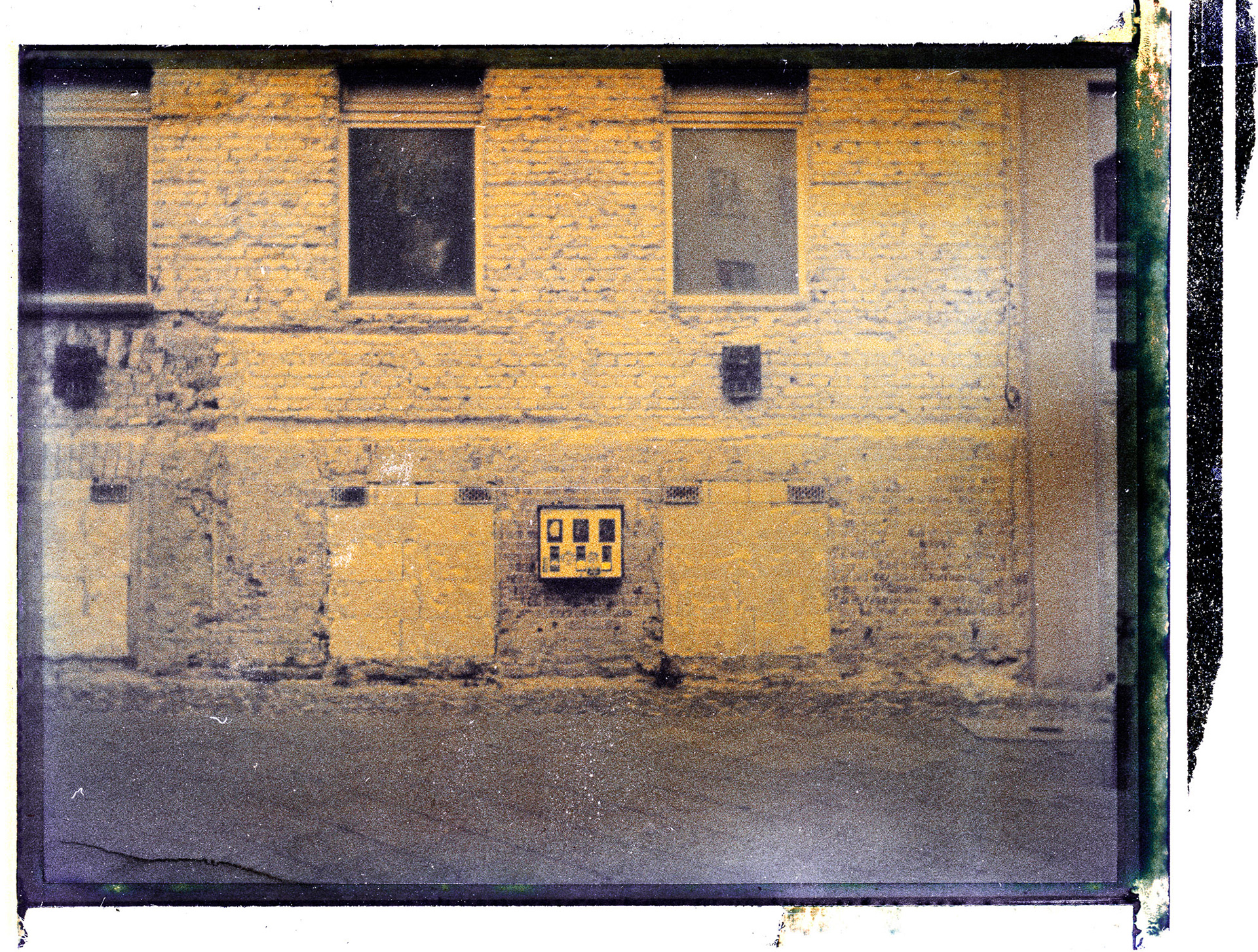
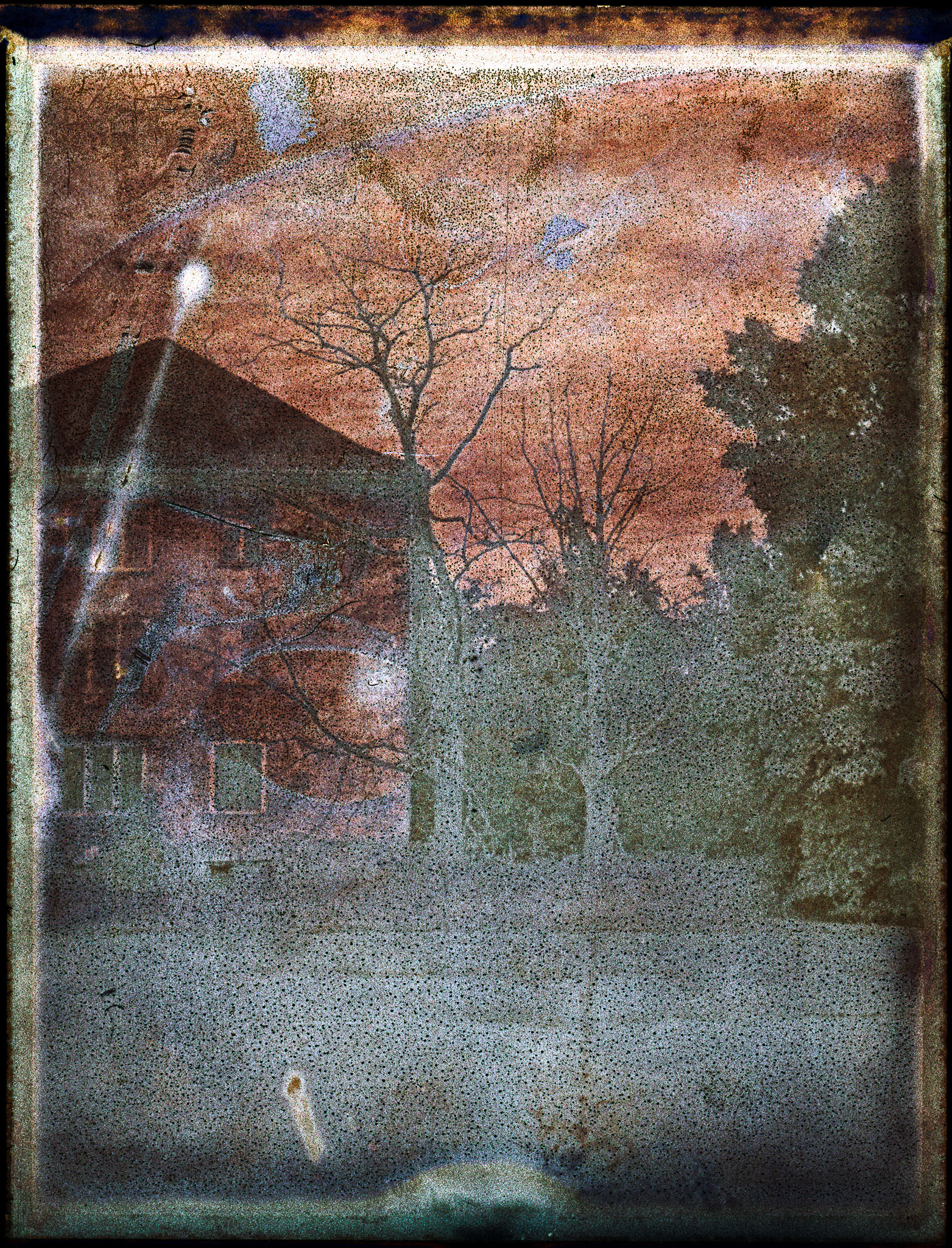
Diese Serie steht im entfernteren Sinne neben deshabitation — verwandt in der Intention, doch verschoben in ihrer Kehrseite. Wo die erste Arbeit das Ausziehen des Lebens aus den Dingen verfolgte, die Hülle als Zeugnis einer vergangenen Ära, dreht transfer of deshabitation das Bild um seine eigene Achse. Im Wortsinn: Gezeigt wird hier nicht das Positiv, sondern das Negativ.
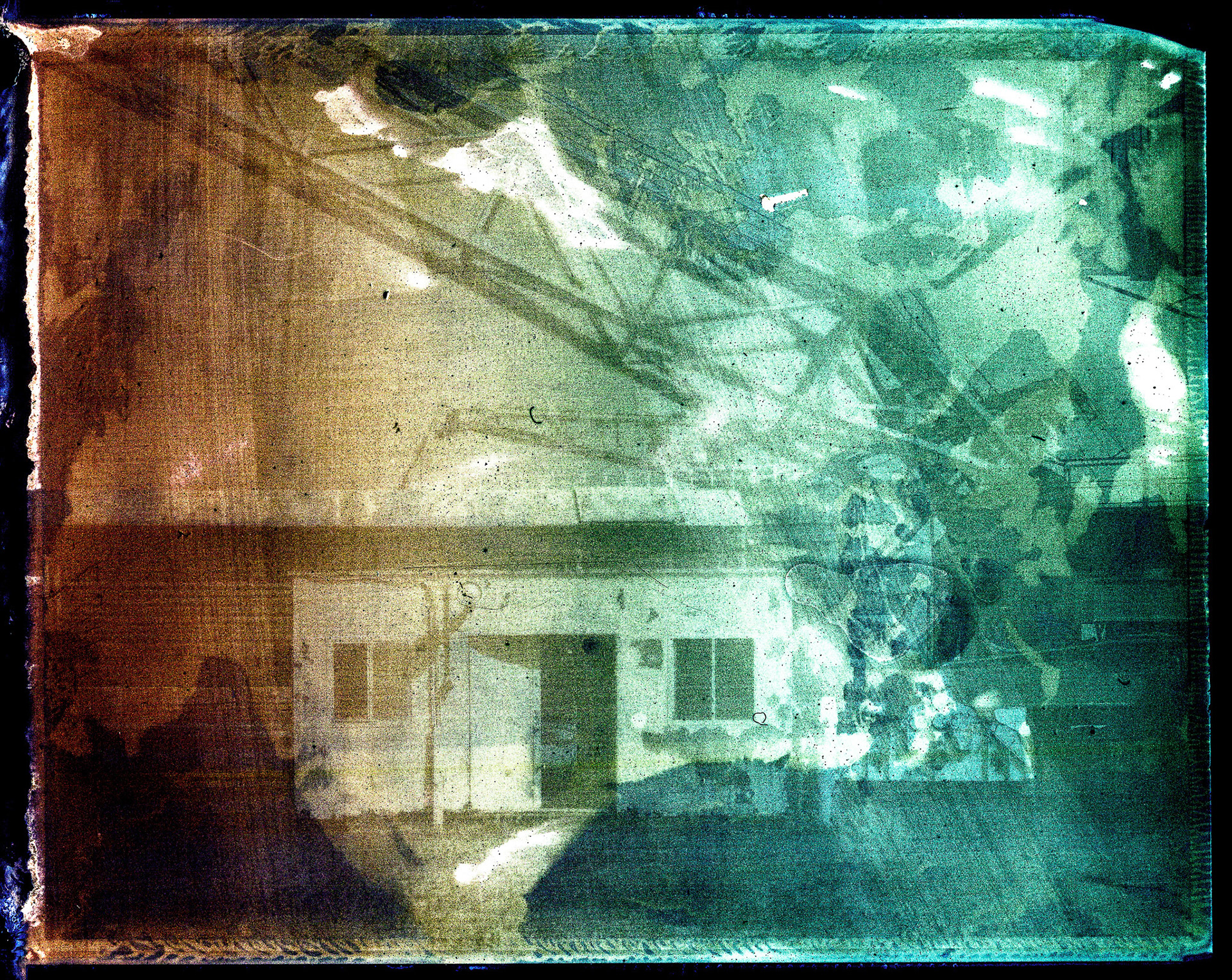
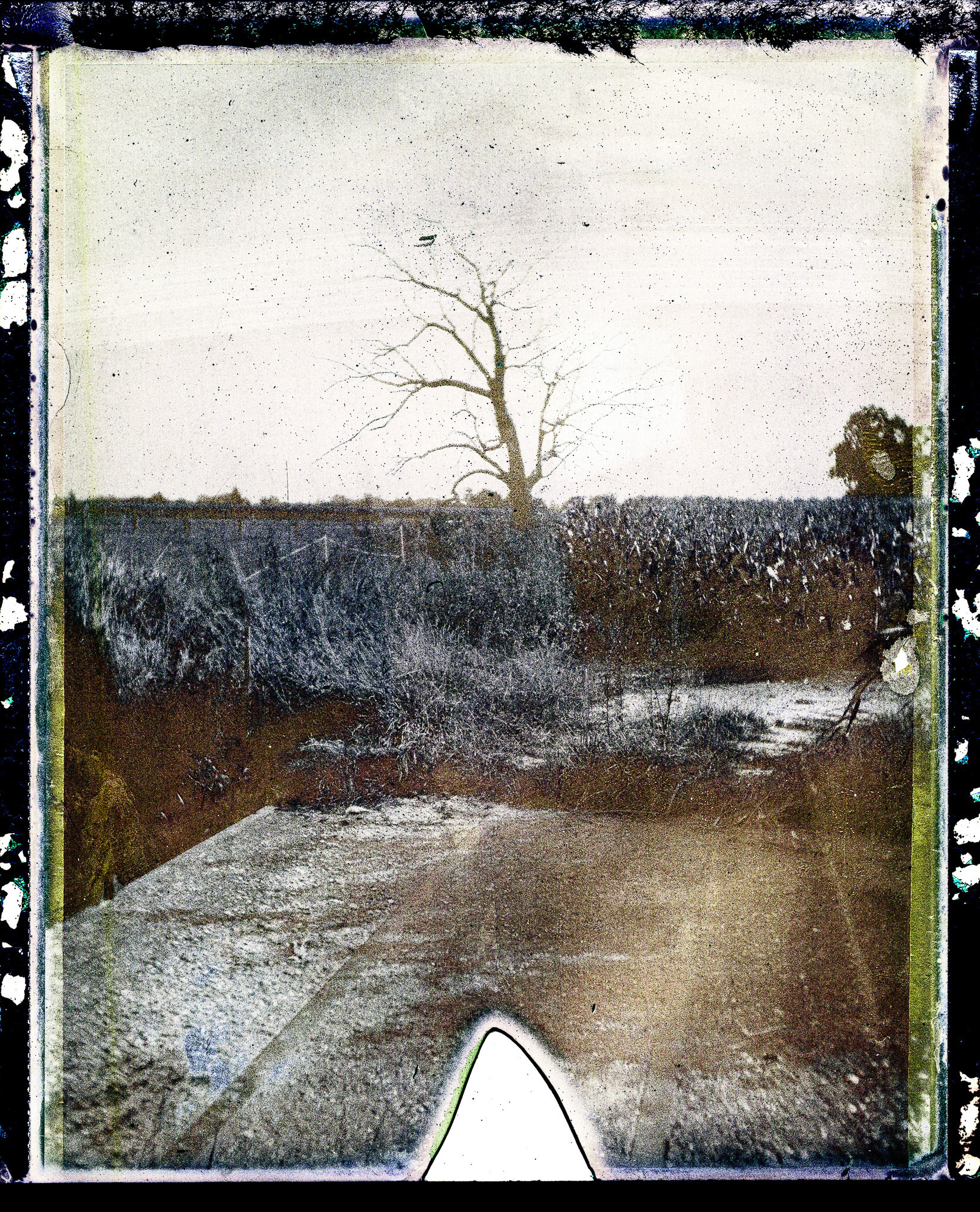
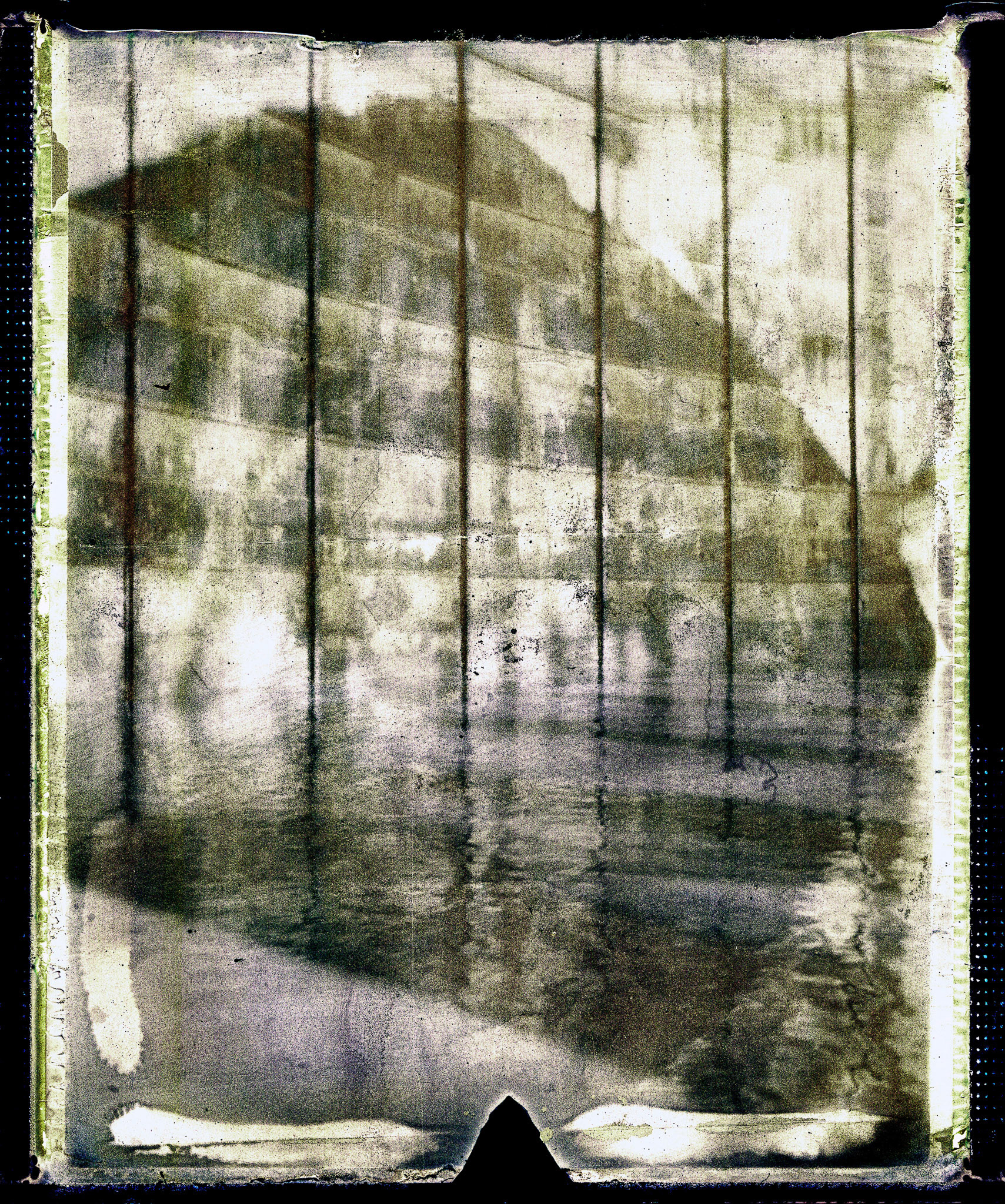
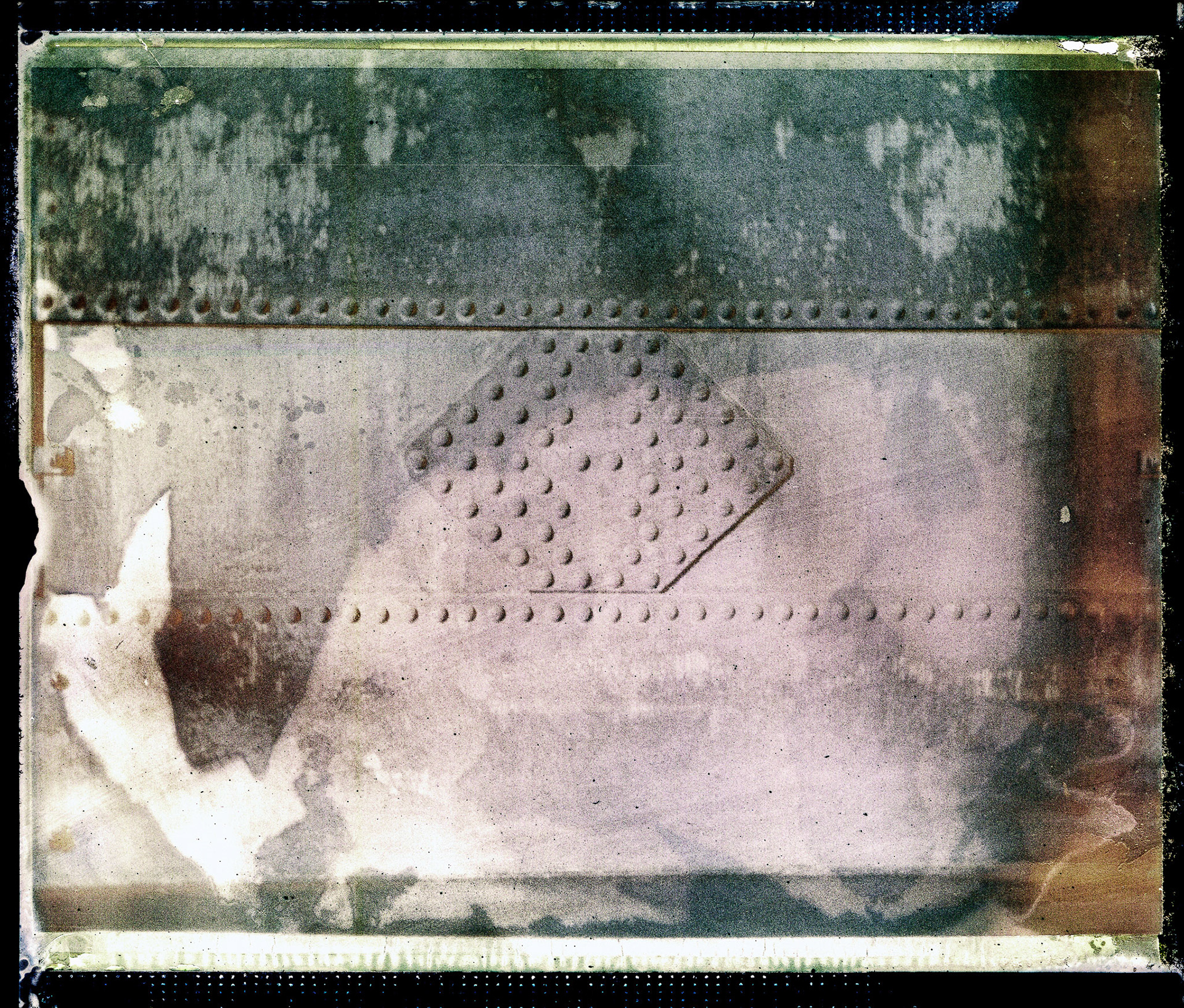
Aufgenommen wurde die Serie auf altem Polaroid-Trennbildmaterial. Das Trennbildverfahren ist ein Transfer-Verfahren — das belichtete Negativ wird auf das Positiv-Papier übertragen, und in der Regel wird die negative Seite anschließend verworfen. Eben diese verworfene Hälfte habe ich eingescannt und zum eigentlichen Bild erklärt. Diese Arbeitsweise war mir hier wesentlich, nicht als technische Marginalie, sondern als Geste: Das, was das Verfahren als Abfall behandelt, wird zum Bildträger. Der Ausschuss wird zum Denkmal.
Darin liegt die eigentliche These. Die leerstehenden, verlassenen Gebäude im südlichen Umland Berlins und in Sachsen-Anhalt sind die „negative" Seite eines historischen Vorgangs — die Verschmutzung der Landschaft durch das, was zurückbleibt, wenn eine Ordnung abgeräumt wird. Das invertierte Bild macht den Sieg des Kapitalismus über den real existierenden Sozialismus der ehemaligen DDR nicht als Triumph sichtbar, sondern als Rückstand: als das Verworfene, das niemand mehr entwickeln wollte. Positiv und Negativ tauschen die Plätze, und mit ihnen Sieger und Besiegtes.
Deleuzisch gelesen ist das Negativ keine bloße Umkehrung des Positiven, sondern dessen Falte — die Kehrseite, in der das Virtuelle noch eingeschrieben liegt, bevor es sich aktualisiert. Die Gebäude sind deterritorialisiert: ihrer Funktion entzogen, aus dem Gefüge gefallen, das sie einst trug. Der Scan des Negativs hält genau diesen Moment fest — nicht den Zustand vor dem Verfall und nicht das fertige Positiv, sondern das Dazwischen, in dem das Bild seine Bestimmung noch nicht entschieden hat.
Auch diese Bilder sind Konstruktionen. Sie bestehen aus einer einzigen Aufnahme, nicht aus einer Doppelbelichtung — und dennoch ist die konstruktivistische Setzung dieselbe: die bewusste Wahl des Ausschnitts, die Entscheidung für die Inversion, das Material als Argument. Das Bild entsteht nicht im Auslösen, sondern im Konstruieren der Bedingungen, unter denen es gelesen werden soll. Die negative Seite zu zeigen heißt, die Frage zu konstruieren, nicht die Antwort.
ENGLISH
This series stands, in a more distant sense, alongside deshabitation — kindred in intention, yet displaced onto its own reverse side. Where the first work traced the moving-out of life from things, the shell as testimony to a bygone era, transfer of deshabitation turns the image upon its own axis. In the literal sense: what is shown here is not the positive, but the negative.
The series was shot on old Polaroid peel-apart film. The peel-apart process is a transfer process — the exposed negative is transferred onto the positive paper, and the negative side is, as a rule, discarded afterwards. It is precisely this discarded half that I scanned and declared to be the actual image. This way of working was essential to me here, not as a technical marginal note but as a gesture: that which the process treats as waste becomes the image's bearer. The reject becomes the memorial.
Herein lies the real thesis. The empty, abandoned buildings in the southern environs of Berlin and in Saxony-Anhalt are the "negative" side of a historical event — the pollution of the landscape by what remains once an order has been cleared away. The inverted image renders the victory of capitalism over the actually existing socialism of the former GDR visible not as triumph, but as residue: as the discarded thing that no one wished to develop any further. Positive and negative trade places, and with them victor and vanquished.
Read through Deleuze, the negative is not a mere reversal of the positive but its fold — the reverse side in which the virtual still lies inscribed, before it actualises. The buildings are deterritorialised: withdrawn from their function, fallen out of the assemblage that once carried them. The scan of the negative holds precisely this moment — not the state before decay, and not the finished positive, but the in-between, in which the image has not yet decided its destiny.
These images, too, are constructions. They consist of a single exposure, not of a double exposure — and yet the constructivist gesture is the same: the deliberate choice of the frame, the decision for inversion, the material as argument. The image arises not in the release of the shutter, but in the construction of the conditions under which it is to be read. To show the negative side means to construct the question, not the answer.